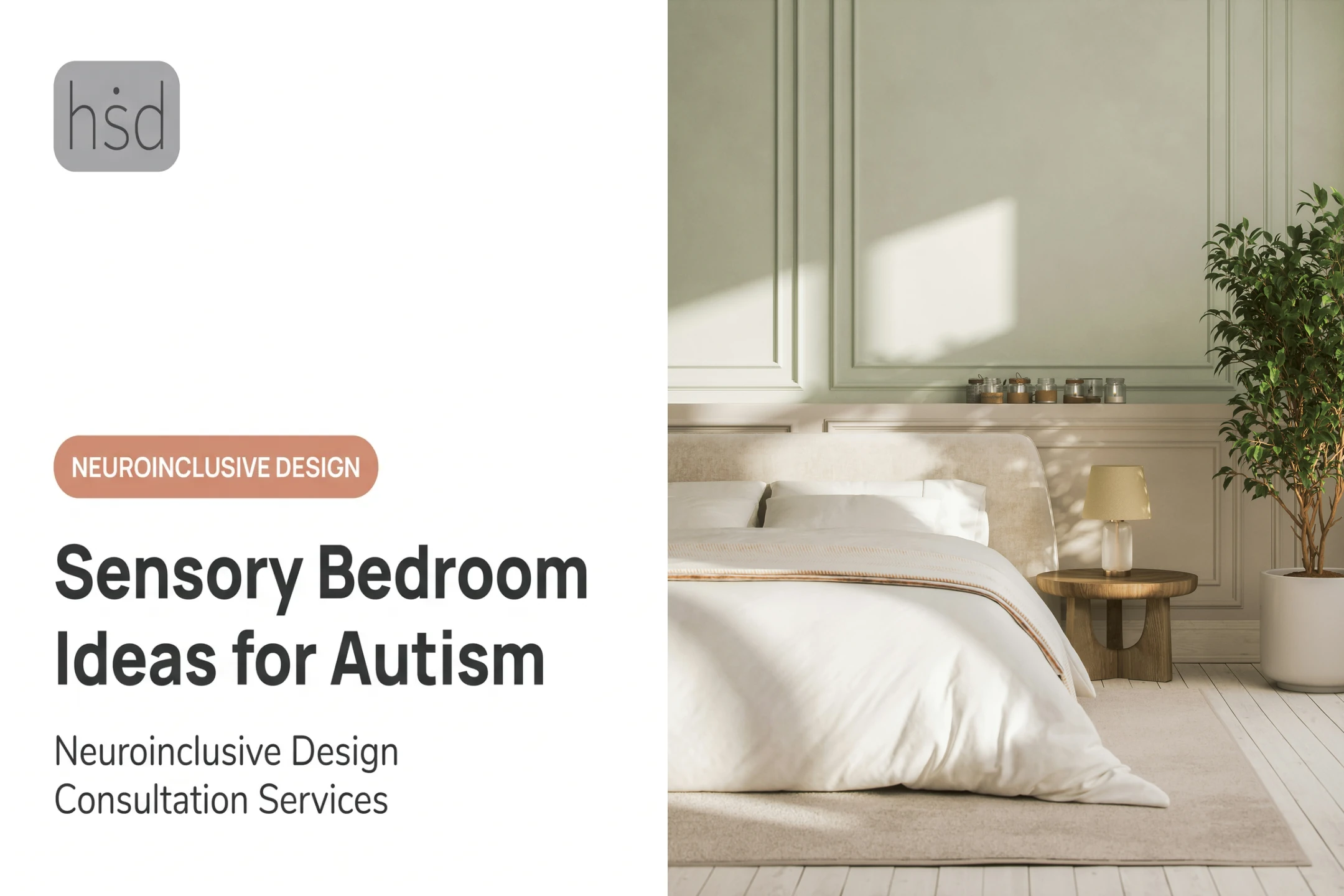

Introduction
There's no single blueprint for an autism-friendly bedroom. No magic color or Pinterest-perfect layout works for every child. What works is a room adapted to a specific child's sensory profile, communication style, sleep patterns, and safety needs.
Many families struggle with the same issues: a child who won't settle at night, wakes repeatedly, melts down over clutter or noise, or wanders once everyone else is asleep. These challenges look different for every child, because autism varies widely from one person to the next.
This guide offers a practical framework: understand your child's sensory profile, adjust input intentionally, create clear zones, build in safety and independence, and change the room gradually rather than all at once.
Key Takeaways
- Build the room around your child's real preferences, not a generic checklist
- Control sight, sound, touch, and light without removing movement or preferred sensory input
- Clear zones, labeled storage, and visual routines support independence
- Match safety changes to real behaviors like climbing or wandering
- Start with low-cost changes before buying specialized equipment
Start With the Child's Sensory Profile
Before touching paint swatches or furniture catalogs, figure out how your child actually experiences their environment. Sensory sensitivity means certain input feels overwhelming, like covering ears at ordinary sounds or refusing scratchy fabric tags. Sensory seeking looks like the opposite: a child who craves movement, presses into tight spaces, or stares at lights. Many autistic children show both patterns depending on the day, the setting, or their stress level.
Conduct a Simple Room Audit
Walk through the bedroom and note responses across these categories:
- Sight (glare, clutter, patterns)
- Sound (hums, echoes, unpredictable noise)
- Touch (bedding, rugs, clothing tags)
- Smell (detergents, fresh paint, plastics)
- Temperature (heat, drafts, airflow)
- Movement (vestibular input, body awareness)
Write down what happens right before distress or a hard time settling. Patterns usually emerge within a week or two. Those notes matter because the same feature rarely lands the same way for every child.
What Calms One Child May Overwhelm Another
A weighted blanket, muted paint colors, or an enclosed reading nook might soothe one child and irritate another completely. Test before committing. A narrative review of sensory processing in autism confirms that hypo-response, hyper-response, and sensory seeking vary not just between individuals but within the same person across contexts.
Involve your child directly when possible: offer paint chips, fabric swatches, or photos of room layouts. A small trial area—one corner with new bedding—feels safer than redoing the whole room at once.
For questions about sensory processing, sleep, or specialized equipment, an occupational therapist can help turn observations into concrete recommendations. Design changes support comfort; they are not a substitute for clinical guidance.
A personalized neurodivergent design consultation through Highly Sensitive Design can take your notes on triggers, routines, and safety concerns and turn them into a practical room plan.
Design the Sensory Environment
Once you understand your child's patterns, you can start adjusting the room itself. Focus on giving your child control over the sensory input they receive, not on removing every stimulus.
Lighting That Can Be Adjusted
Fixed overhead lighting rarely works for sensory-sensitive kids. Instead, layer your light sources:
- Dimmable fixtures for gradual transitions
- Indirect lamps instead of harsh overheads
- Blackout or adjustable window coverings
- A night-light chosen based on your child's actual response, not assumptions
Check bulb wattage against fixture ratings. The Consumer Product Safety Commission warns that an over-wattage bulb can overheat wiring or nearby materials, creating a fire risk in addition to the sensory issue.
Color, Pattern, and Sound
There's no single "autism-approved" color. Blue and green get recommended constantly, but your child's actual response matters more than the trend. Test a sample before painting an entire wall.
For sound, small changes go a long way:
- Move the bed away from hallway or street noise
- Add curtains or a rug to reduce echo
- Test whether your child prefers silence, music, or steady background sound
Sound tolerance is a frequent pressure point in the bedroom. A meta-analysis of 67 studies found that current decreased sound tolerance affects roughly 41% of people with autism, with lifetime prevalence over 60%.

Tactile Comfort and Air Quality
Match materials to what your child actually tolerates:
- Washable, durable bedding in the weight and texture they accept—not what looks cozy in a catalog
- No fragrances or essential oils unless you already know they respond well
- Low-emission furniture and paint, plus better ventilation, if off-gassing bothers them
Balance matters here too. A calm sleep zone doesn't mean removing every source of movement or texture. Keep some intentional, approved outlets for tactile exploration or deep-pressure input if your child's care team recommends them.
Plan Layout, Safety, Sleep, and Independence
A bedroom that's visually clear and physically safe helps a child understand what to do and where, without constant adult direction.
Zoning Even a Small Room
You don't need separate rooms to create separate functions. Use furniture placement, rugs, and curtains to define:
- A sleep zone
- A movement or play zone
- A dressing and storage zone
- A quiet regulation corner (optional, and only if your child wants one)
Keep the sleep zone visually simple. Save exciting toys, screens, or flashing items for daytime use, and tuck them away before bedtime if they interfere with winding down.
Furniture and Nighttime Safety
Tip-overs are a real and underestimated risk. The CPSC's 2023 Annual Tip-Over Report found an estimated 6,400 furniture tip-over injuries treated annually in children under 18, with 78 of 155 child tip-over deaths occurring specifically in bedrooms.
Basic precautions:
- Anchor dressers, bookcases, and shelving to the wall
- Secure cords and window covering pulls out of reach
- Keep floor pathways clear of tripping hazards
- Check for small objects a child might mouth or swallow
- Assess climbing furniture for fall risk
Nighttime wandering needs its own plan. One CDC-published study found that 49% of children with ASD had attempted to elope at least once after age 4. Among those who went missing, 65% were at risk of traffic injury.

A single door lock or product rarely covers every scenario. A personalized home safety assessment that factors in your child's specific behaviors works better than a generic fix.
Independence Through Storage and Routine
Simple systems cut down on nightly decision-making:
- Picture labels on open bins
- A visual dressing sequence
- A consistent spot for comfort items
Predictable lighting and sound cues before bed support the transition. Persistent or severe sleep problems belong with your child's healthcare team, not a design fix alone.
Personalise and Phase the Changes
Personalize and Phase the Changes
Trying to overhaul an entire bedroom in one weekend usually backfires. Pick the single biggest barrier first, whether that's glare, unpredictable noise, or uncomfortable bedding, and start there.
A practical sequence:
- Remove or relocate overstimulating items
- Improve storage and reduce visual clutter
- Adjust lighting
- Test sound changes
- Review bedding and textures
- Consider furniture or construction changes only after the above
Trial one change at a time. Watch your child's response across several nights or routines before deciding if it worked. If a change increases distress, reverse it and note what you learned.
As your child grows, their preferences will shift. Storage should scale with age, and older children or autistic teens should get a say in privacy, color, and technology decisions rather than inheriting a toddler-era room design.
Choose pieces that can keep up with those shifts:
Quick maintenance checklist:
- Is it easy to clean?
- Will it hold up to daily use?
- Can parts be repaired instead of replaced?
- Does it accommodate known allergies?
- Can it adapt as sensory preferences shift?
For families tackling a larger residential project, Highly Sensitive Design offers personalized, sensory-aware recommendations and, where needed, design-build coordination through trusted contractors. Not every bedroom needs a full renovation. Many just need a thoughtful sequence of smaller changes.

Conclusion
The ideal autism-friendly bedroom isn't a showroom. It's safe, understandable, comfortable, and shaped around the actual child sleeping in it.
The process holds up regardless of budget:
- Observe your child
- Involve them in decisions
- Change the highest-impact factors first
- Test each adjustment
- Bring in professionals for clinical or complex safety questions
If you're planning a more extensive residential update, Highly Sensitive Design provides personalized neuroinclusive design support for clients within a two-hour drive of New York City.
Frequently Asked Questions
What is the ideal bedroom for an autistic child?
No single setup works for every child. Aim for a safe, predictable room with light, sound, and textures matched to that child's sensory profile, plus easy access to regulation tools.
How do I make a bedroom autism-friendly?
Start by observing sensory triggers, then declutter, adjust lighting, manage sound, and choose comfortable bedding. Add clear zones, accessible storage, and safety measures based on your child's specific behaviors.
What colors are best for an autism-friendly bedroom?
Color choice is personal, not universal. Test calmer tones or your child's actual preferences, and skip busy patterns that could overwhelm.
What type of lighting is best for an autistic child's bedroom?
Adjustable, dimmable lighting paired with proper window coverings works best. Avoid flicker or glare if these are known triggers, and test your child's response to any new light source before committing.
Should an autistic child have a sensory or calming corner in the bedroom?
A calming corner can help, but it should be optional and matched to the child's needs, never used to isolate or force sensory deprivation. Pillows, preferred objects, or quiet seating are good starting points.
How can I make an autistic child's bedroom safer at night?
Anchor furniture, secure cords and windows, and keep walkways clear. Assess your child's specific climbing or wandering risks, and work with qualified professionals for a personalized safety plan.