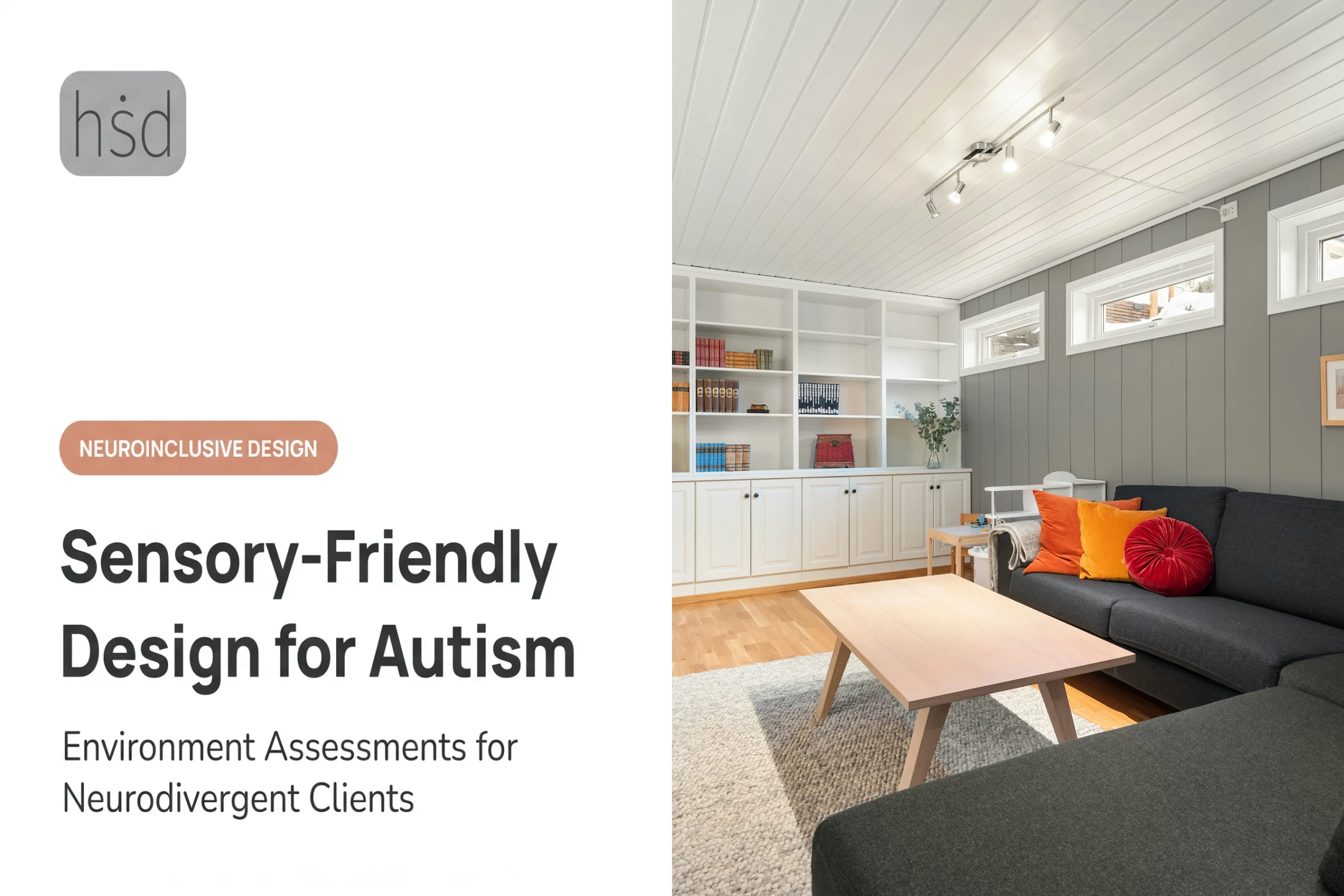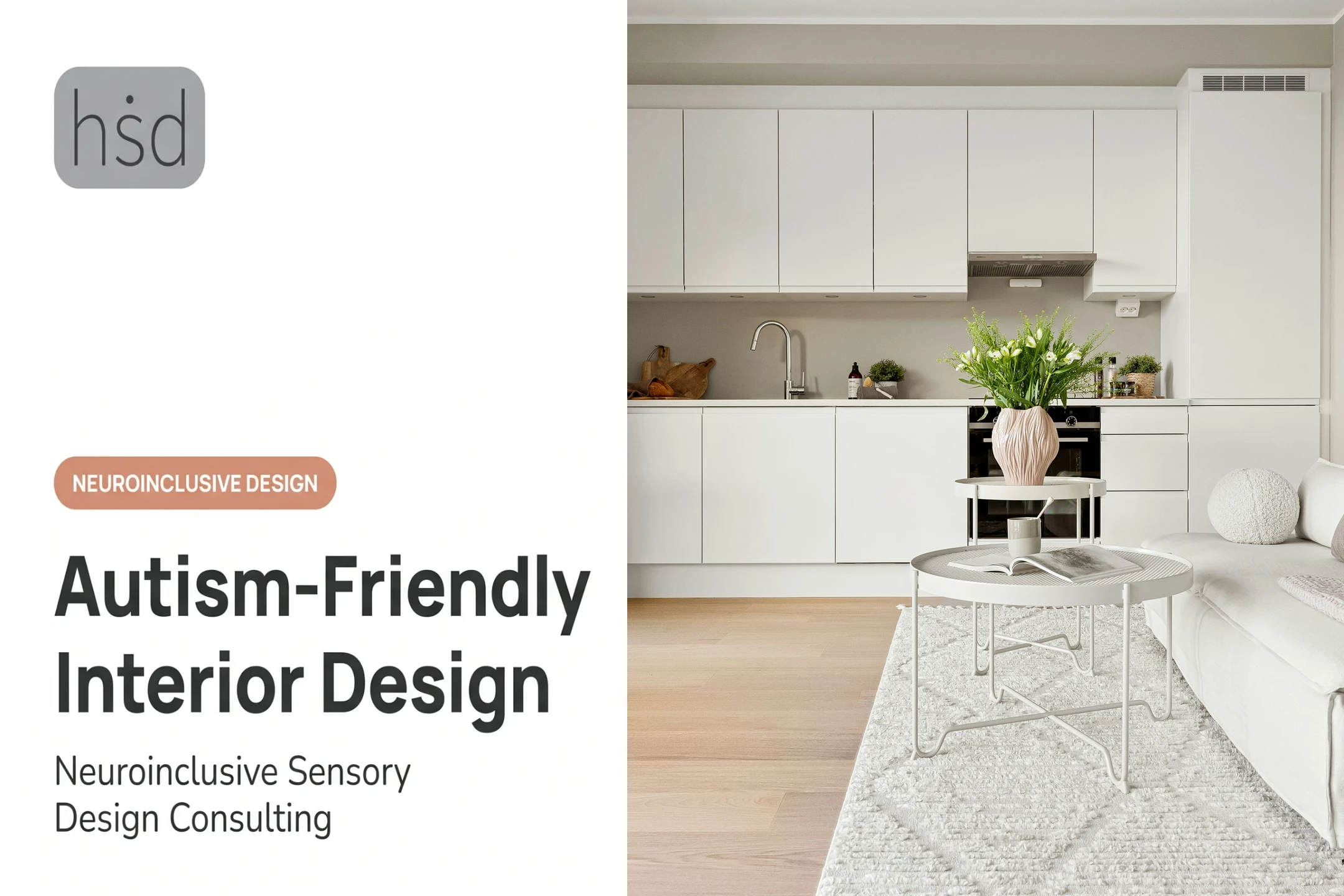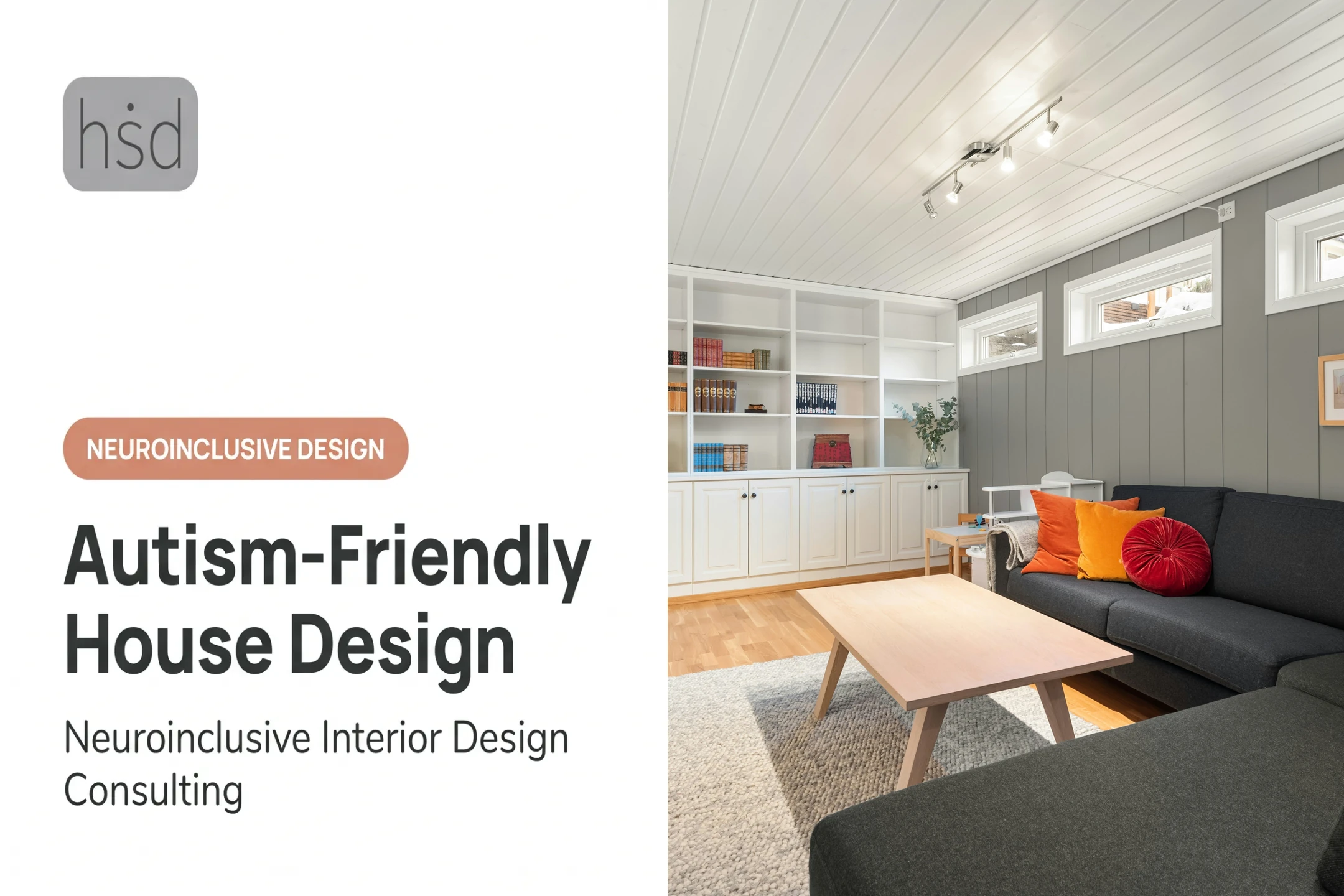

Here's the thing: there's no single "autism-friendly" lamp or bulb you can buy off a shelf. Autism-friendly lighting is a flexible environment, shaped around one person's sensory profile, daily routines, and the activities happening in that space. What calms one child might overstimulate another.
This guide walks through how light affects sensory-sensitive people, what to look for when choosing fixtures and controls, how to set up specific rooms, and how to personalize a lighting plan safely — without pretending one bulb color or brightness level works for everyone.
Key Takeaways
- Choose adjustable, low-glare, predictable lighting the user can control.
- Test and observe responses instead of following universal "best" color or brightness rules.
- Layer ambient, task, and accent sources rather than one harsh overhead fixture.
- Evaluate flicker, flashing, and sudden brightness changes as individual potential triggers.
Understanding How Light Affects Autistic and Sensory-Sensitive People
Light influences comfort, attention, fatigue, and how well someone can participate in a room. Not every autistic person experiences light the same way, and researchers keep returning to that point.
A 2023 multisite analysis of sensory reactivity in autism found that roughly 74% of children showed at least one pattern of hyper-, hypo-, or sensory-seeking behavior across sensory modalities, not light alone.
Some people are overwhelmed by brightness. Others barely register it. Still others actively seek bright or colorful stimulation.
What to Watch For
Common lighting challenges worth investigating include:
- Excessive brightness or harsh contrast between light and shadow
- Glare from screens, glossy floors, or reflective surfaces
- Visible or imperceptible flicker, especially from cheap LEDs or fluorescents
- Buzzing or humming sounds from certain fixtures
- Cool, blue-white light versus warmer tones
- Flashing effects or abrupt transitions between dark and bright spaces
Signs of discomfort can include:
- Squinting or covering the eyes
- Avoiding a room altogether
- Headaches, agitation, or withdrawal
These signs aren't proof of a lighting problem on their own. They can have other causes too, but they're worth paying attention to.
Those day-to-day signals line up with what autistic adults report in research. Research on visual sensory experiences among autistic adults found that bright, flickering, fluorescent, strip, and spot lighting were commonly reported as uncomfortable.
The same study found some participants were drawn to bright lights, specific color combinations, or reflections. Hypersensitivity and visual seeking are different needs, and one lighting setup cannot solve for both.
That is why the person who lives in the space has to help identify triggers and judge any change. Caregivers and educators should be involved when they support that person. A Sensory Environment Assessment from Highly Sensitive Design looks at how spatial and sensory conditions affect comfort and daily functioning, then adjusts the environment rather than trying to "fix" the individual.

Choosing Autism-Friendly Lights, Fixtures, and Controls
Before you buy, evaluate these specifications:
- Flicker performance: stable light output with minimal invisible flicker
- Dimmability: smooth dimming and a compatible dimmer switch
- Color temperature: warm vs. cool white, matched to the room's use
- Glare management: shielded fixtures and even light distribution
- Color rendering: how accurately colors appear under the light
- Noise and heat: quiet drivers and low heat at the fixture
Here's what people often miss: a low-quality LED can still flicker or buzz. LED products are not automatically flicker-free.
According to the Department of Energy's lighting guidance for schools, flicker is hard to judge from specs alone, so test a product in place before a large purchase. The DOE also recommends avoiding exposed, unshielded lamps entirely.
Comparing Fixture Types
| Fixture Type | Glare Level | Control Flexibility | Best Use |
|---|---|---|---|
| Recessed, shielded downlights | Low | Moderate | General ambient lighting |
| Frosted or diffused LED lamps | Low | High | Bedrooms, reading nooks |
| Bare bulb or exposed fixtures | High | Low | Generally avoid |
| Fabric shade lamps | Low | High | Calming corners, sensory rooms |
| Tunable smart bulbs | Low-moderate | Very high | Rooms needing schedule changes |
Layered lighting (ambient, task, and accent) means no one has to rely on one harsh overhead fixture. A dimmable floor lamp, a shielded ceiling fixture, and a small task light give far more flexibility than a single switch on one bulb.

Controls matter as much as the bulb. Choose options that stay simple, quiet, and predictable:
- Dimmers that adjust smoothly without buzz or flicker
- Tunable bulbs with an obvious warm-to-cool range
- Remotes or wall controls that work in one or two steps
- Schedules that change light gradually, not in sudden jumps
Check the manufacturer's recommended dimmer pairings. Mismatched bulb-dimmer combinations are a common cause of flicker.
How to Set Up Lighting for Different Rooms and Environments
Start by mapping the space. Change one variable at a time so you actually know what worked. Record:
- When discomfort happens
- The light source and any reflective surfaces nearby
- The activity taking place
Bedrooms and Calming Areas
Use controllable, indirect lighting with adjustable window coverings. Gradually dim brightness before bed rather than flipping a switch off. The CDC recommends turning off electronic devices at least 30 minutes before bedtime as part of general sleep hygiene, a habit that pairs well with dimming overhead lights.
If you use a night light, test its position individually. A light that's fine on a nightstand might cast an unwanted shadow or glare when placed elsewhere.
Learning, Homework, and Work Areas
Task lighting should illuminate the work surface, not shine into the eyes or bounce off a screen. Position desks to avoid window reflections. Give students or employees real options:
- Adjustable desk lamps
- A lower-glare workstation
- Somewhere calmer to move to when needed
Sensory Rooms and Regulation Spaces
Bubble tubes, fiber optics, and color-changing lights are optional tools, not defaults. Keep these safeguards in place:
- Avoid rapid movement or flashing effects
- Give every stimulus an easy way to pause or stop it
- Use supervision and clear safety steps
Shared and Public Environments
Schools, healthcare settings, and workplaces benefit from reducing harsh overhead lighting and adding controlled alternatives. OSHA's workstation guidance recommends blinds or drapes on windows and diffusers on fixtures specifically to cut glare. Get feedback from the people actually using the space. A design that looks good on paper doesn't always work in practice.
Assessing and Personalizing a Lighting Plan
A simple lighting audit starts with the person's goals, known triggers, preferred conditions, and any relevant vision, migraine, or sleep considerations.
From there, test in this order:
- Address glare and direct exposure first — reposition fixtures, add shades, or angle screens away from windows.
- Try a different fixture or bulb — swap exposed bulbs for shielded or diffused options.
- Evaluate dimming and color temperature — introduce a dimmer and test warm versus cool settings.
- Consider automation — schedules or smart controls once the basics are working.

Track responses without treating behavior as a diagnosis. Record:
- Time and location
- Lighting condition and activity
- The person's own feedback
Patterns often show up quickly once you log a few sessions.
Persistent headaches, eye pain, seizures, or unexplained visual changes need a healthcare or vision professional — lighting adjustments aren't a substitute for medical care.
For a whole home, classroom, clinic, or workplace project, a coordinated review often helps more than trial and error room by room.
Highly Sensitive Design's Sensory Environment Assessment evaluates lighting alongside temperature, electrical systems, accessibility, and code compliance. Recommendations are tailored to the people using the space — whether that's one family or an entire school program.
Common Mistakes and Safety Considerations
Mistake #1: Assuming dimmer is always better. Too little light creates its own problems: difficulty reading, navigating a room, or communicating visually. Task needs and safety standards still apply.
Mistake #2: Picking a color because it's labeled "calming." Blue, green, amber, or color-changing lights aren't universally soothing. What works depends entirely on the person, so test before committing to a color scheme.
Safety checks worth doing:
- Secure loose cords and cables
- Use cordless window coverings, which the CPSC identifies as the safest option around young children
- Avoid fixtures that overheat
- Keep controls physically accessible
- Have electrical work done by a qualified professional, per applicable local codes
Check reflections before replacing bulbs. Glossy floors, mirrors, and polished counters bounce light in ways that create glare even with a "good" fixture. Sometimes changing the surface or the light's angle solves the problem faster than swapping every bulb in the room.
Photosensitivity caution: The Epilepsy Foundation notes that flashing lights, particularly at 5-30 flashes per second, can trigger seizures in some people with photosensitive epilepsy. This affects a small percentage of people, but rule it out before using flashing or rapidly color-changing lights, especially in sensory rooms.
Review the setup again whenever routines, daylight conditions, or the person's needs change. A lighting plan isn't a one-time fix.
Frequently Asked Questions
What lighting is best for autism?
There's no single best option. It depends entirely on the individual. Adjustable, low-glare, low-flicker, indirect lighting is a practical starting point, but test any change with the actual person before assuming it works.
Can LED lights trigger ADHD symptoms?
LED lighting itself isn't established as a cause of ADHD symptoms. However, flicker, glare, brightness, or buzzing from a specific product may worsen distraction or sensory stress for some people. Check the product and the individual's response.
What is sensory-friendly lighting?
It's lighting designed around comfort, predictability, and user control: dimming, diffusion, indirect fixtures, adjustable daylight, and reduced flicker or glare, tailored to the person using the space.
How can I reduce flicker and glare from lights?
Choose quality products with a compatible dimmer, add diffusers or shielded fixtures, use matte surfaces instead of glossy ones, and adjust light angles. If flicker persists, have an electrician inspect the wiring or driver.
Should I use colored or color-changing lights in a sensory space?
Colored light can calm, communicate, or overstimulate depending on the person. Stick to slow, optional, non-flashing settings with an easy off switch, and let direct feedback guide the decision.