
Research on occupied K-12 classrooms found that speech noise exceeded 65 dBA for 35% of the school day, with non-speech noise crossing 50 dBA nearly a third of the time, conditions the study's authors say directly affect understanding and learning (JASA, 2021).
A school sensory room isn't a fancy break room or a pile of fidget toys in a corner. Its real value shows up in daily outcomes: smoother transitions, better readiness to learn, and students who can actually access instruction instead of shutting down before it starts.
This article covers why schools need these spaces, which students benefit, what happens when sensory needs go unaddressed, and how to design a room that actually gets used well.
Key Takeaways
- Sensory rooms give students a controlled space to regulate input and prepare to re-engage with learning
- Students with autism, ADHD, anxiety, communication needs, or developmental differences often return to class more regulated and ready to learn
- Individualized planning, trained staff, and clear routines drive outcomes, not the equipment budget
- A sensory room should support classroom strategies, not replace them or serve as punishment
What Is a School Sensory Room?
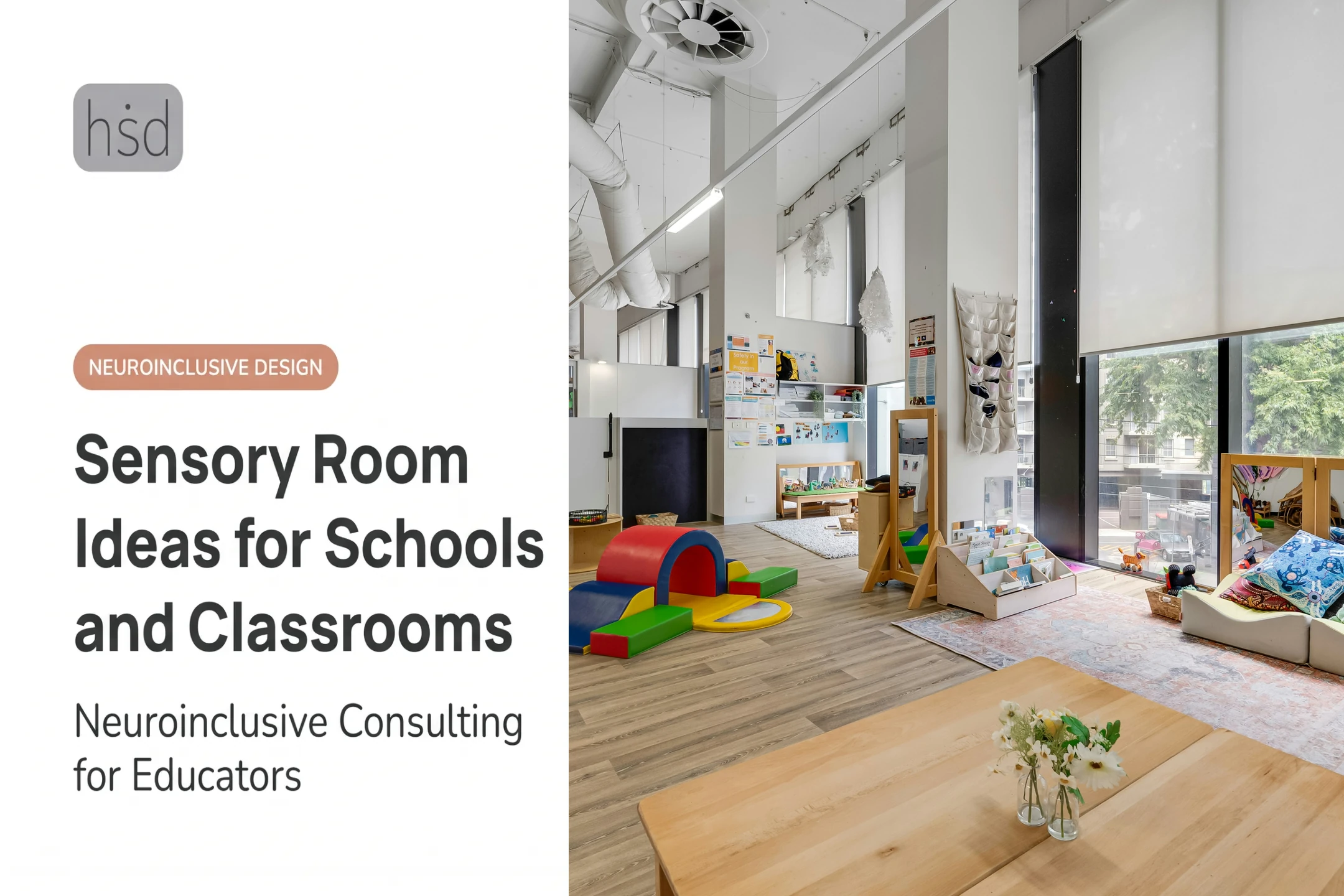
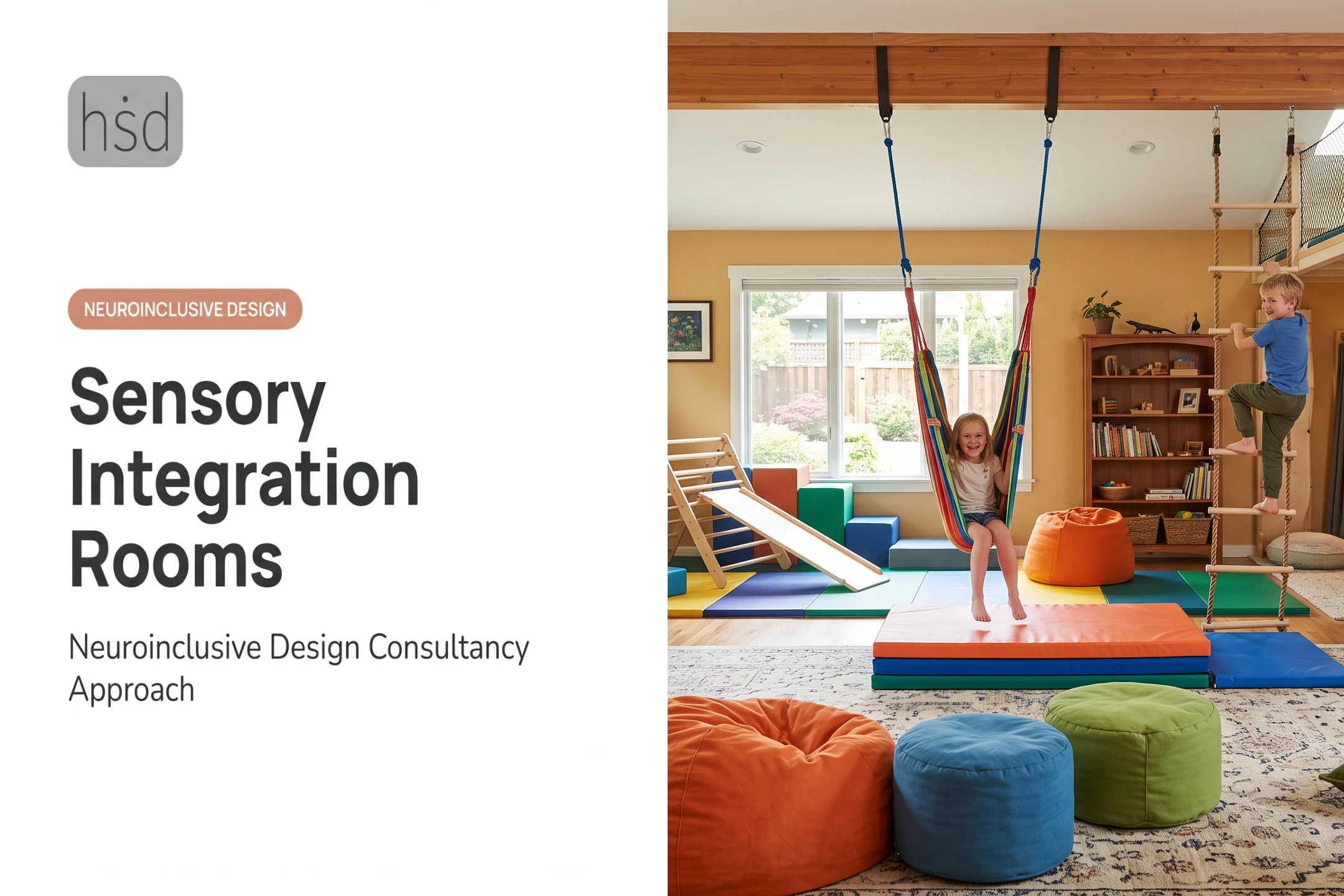
A school sensory room is a purposefully designed space where sensory input can be reduced, introduced, or adjusted. Students use it to regulate, engage, communicate, or build a specific skill. Depending on the school's population and available space, this might be:
- A dedicated room with multiple zones
- A flexible therapy space shared with occupational therapy sessions
- A smaller sensory corner within a classroom or resource room
Sensory rooms typically address five core domains:
- Visual: lighting, color, visual clutter
- Auditory: sound levels, background noise, music
- Tactile: textures, pressure, temperature
- Vestibular: movement, balance, swinging or rocking
- Proprioceptive: body awareness, deep pressure, resistance
Equipment and intensity should match the students who'll actually use the room. A room full of trending sensory gadgets means nothing if it doesn't address your specific student population's needs. Not every school needs the same setup, and not every student needs a sensory room at all.
Key Advantages of Sensory Rooms for Schools
Sensory rooms earn their place in schools through function: helping students access instruction, participate in daily routines, and stay connected to their school community.
They Support Regulation and Readiness to Learn
A predictable, lower-demand environment gives a student time to notice sensory overload before it escalates, use a strategy that works for them, and return to class ready to participate.
In Houston Independent School District's 2019-2020 evaluation, teachers using sensory labs reported meaningful shifts (Houston ISD, 2020):
- 57.5% saw better direction-following
- 55% saw decreased negative behaviors
- 38.8% reported more on-task time

These are teacher-observed outcomes rather than controlled trial results, but they point in a consistent direction.
One caution: the same activity doesn't calm every student. Bouncing on a therapy ball might regulate one child and overstimulate another. Document individual responses with input from the student, their family, teachers, and any therapists involved. Skip the assumption that a "calming room" calms everyone the same way.
They Make Inclusion More Practical
Sensory access can reduce the barriers that keep students out of general education classrooms, assemblies, lunch periods, or field trips. A student who can regulate and rejoin the group participates in shared school life instead of being separated from it.
IDEA regulations require schools to educate students with disabilities alongside their peers to the maximum extent appropriate, removing them from general education only when supplementary aids and services can't make that placement work (34 CFR § 300.116).
A sensory room that helps a student regulate and return to class supports that goal directly, rather than functioning as a permanent removal.
Highly Sensitive Design's neurodivergent consultation work with public school NEST programs focuses on supporting neurodivergent and neurotypical students in the same learning environment. That approach treats sensory access as part of inclusion planning, not a separate track.
They Support Therapy and Individualized Goals
Occupational therapists, speech-language professionals, and special educators often use sensory rooms for targeted work: body awareness, fine motor skills, communication practice, or social interaction goals tied directly to a student's IEP or 504 plan.
Schools can track outcomes like:
- Transition success rate
- Time engaged in class after a sensory break
- Student self-report on regulation strategies
- Participation in targeted therapy tasks
- Frequency of behavior referrals
- Staff observation logs
The room works best as a complement to professional assessment, not a substitute for it.
What Happens When Sensory Needs Are Missing or Ignored
When schools skip sensory accommodations, the effects rarely look like "sensory issues" on the surface. They look like behavior problems.
A 2021 study on autistic students in mainstream schools found teacher-reported links between unmet sensory needs and fear, avoidance, distraction, excessive vigilance, and reduced interest in classroom activities. Those patterns directly affect academic performance (PMC, 2021).
School-wide, relying only on reactive responses tends to create:
- Missed instruction time
- Disrupted classroom routines
- Strained relationships between students and staff
- Increased demands on already-stretched teachers
- Fewer real inclusion opportunities
A sensory room alone won't fix every behavioral, medical, or mental health need; that's not what it's designed to do. A poorly planned room can also backfire when schools allow:
- Unsupervised access
- Every sensory feature switched on at once
- Inconsistent availability across students
Those setups create overstimulation, safety issues, or inequitable access instead of solving the original problem.

How to Get the Most Value from a School Sensory Room
The room's effectiveness depends far more on planning and consistent use than on how much equipment sits inside it.
Start With a Needs Assessment
Before selecting furniture or finishes, ask:
- Which students will use this space, and what barriers do they face?
- What ages, mobility needs, and sensory profiles must be supported?
- Is the room meant for calming, movement, therapy, instruction, or a mix?
Involve students, families, special educators, facilities staff, and therapists in this conversation before spending a dollar on equipment.
Design for Predictability, Choice, and Access
Good sensory rooms include:
- Clear zones with uncluttered circulation
- Adjustable lighting and manageable acoustics
- Durable, easy-to-clean materials
- Accessible routes and safe storage
- Visual schedules showing what happens next
Offer controlled choices rather than turning on every sensory feature simultaneously. A room that overwhelms a student with light, sound, and texture all at once defeats its own purpose.
Establish Routines and Train Staff
Put a written protocol in place that covers:
- Referral process and supervision
- Session length and equipment use
- Cleaning and transitions back to class
Staff need training to recognize sensory overload, follow individual plans, and avoid using the room as a threat or an automatic reward tied to distress behavior.
Connect the Room to Everyday Classroom Supports
A sensory room works best as one piece of a bigger system, not the only option. Pair it with:
- Quiet classroom corners
- Movement breaks
- Noise-canceling headphones
- Flexible seating and lighting adjustments
Teach students to identify their own sensory needs, request breaks, and choose strategies that generalize across the school day, not just inside one room.
Evaluate and Adapt Over Time
Set a baseline and review access rates, successful transitions, safety incidents, and staff observations regularly. Remove equipment that overstimulates rather than helps, and update the room as your student population changes.

Outside expertise can speed that review. Highly Sensitive Design offers a Sensory Environment Assessment that reviews a school's sensory conditions, layout, routines, and accessibility, then turns those findings into practical recommendations for layout, materials, and use.
For architects, designers, or school teams folding sensory access into a larger project, neurodivergent design consultation helps translate student needs into functional design decisions.
Conclusion
Schools aren't sensory-neutral spaces. Noise, lighting, crowding, and constant transitions create real barriers for some students, and pretending otherwise doesn't make instruction more accessible.
The strongest sensory rooms are individualized, supervised, connected to classroom strategies, and built around actual student needs—not a product catalog.
Before you buy anything:
- Start with an assessment and measurable goals
- Involve students, families, educators, facilities staff, and qualified professionals
- Build the space incrementally and let it evolve as students' needs change
Frequently Asked Questions
What is a sensory room in schools?
A sensory room is a controlled, purposefully designed space that supports sensory regulation, participation, therapy, movement, or skill development for students who need it.
Why do schools need sensory rooms?
They reduce environmental barriers, support regulation and readiness to learn, and help students participate more successfully in school life. They complement classroom accommodations rather than replacing individualized support.
What should be in a school sensory room?
Include clear zones, safe accessible pathways, adjustable lighting and acoustics, calming and movement options, and visual schedules. Equipment choices should come from qualified professional input, not a generic checklist.
What are some examples of sensory activities for schools?
Common examples include tactile exploration with varied textures, heavy-work or deep-pressure activities, balance and movement tasks, fine-motor exercises, and structured sensory breaks. Activities should match each student's needs and supervision plan.
Are sensory rooms only for autistic students?
No. Autistic students often benefit, but so can students with ADHD, sensory processing differences, developmental or physical disabilities, anxiety, communication needs, or trauma-related regulation challenges.