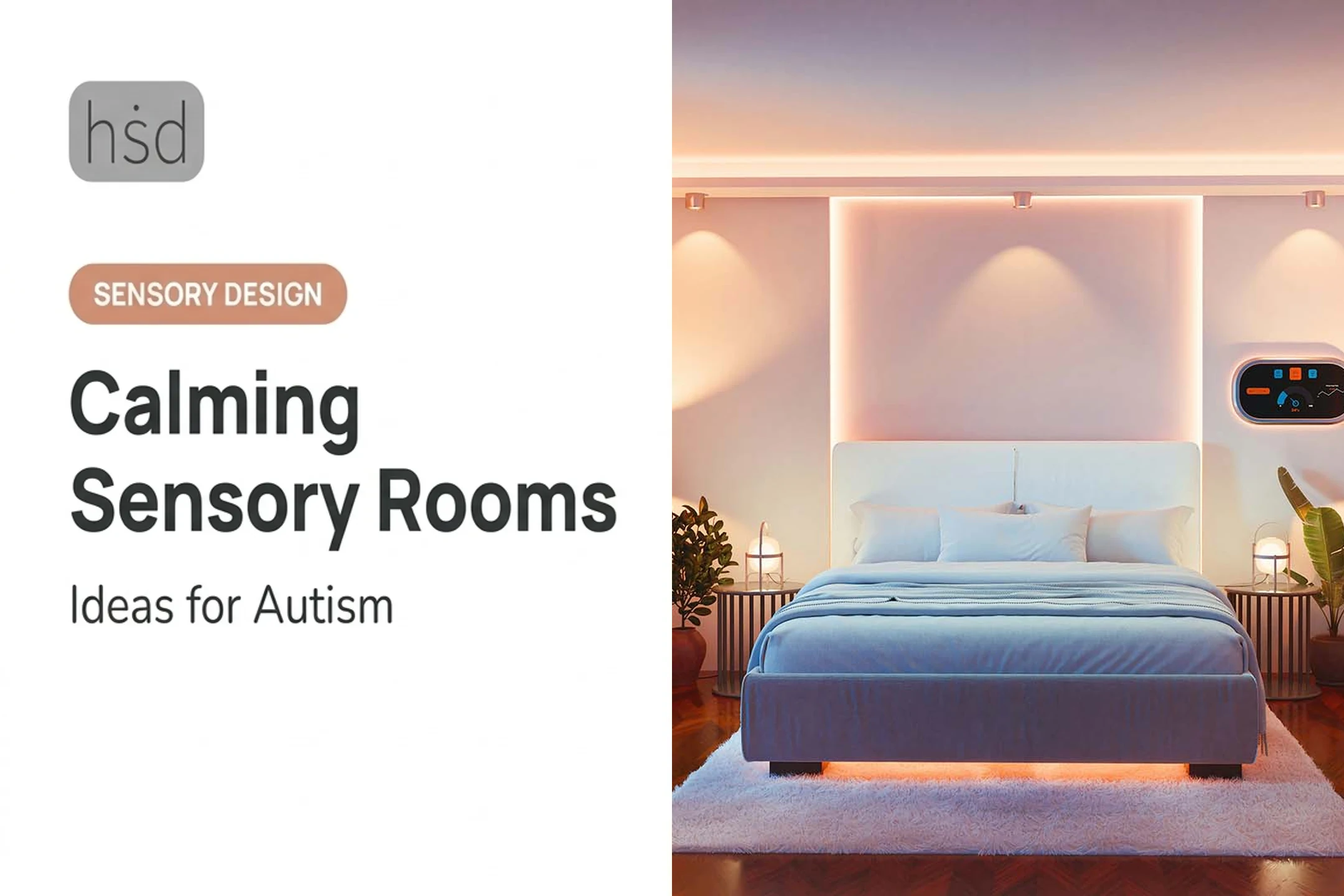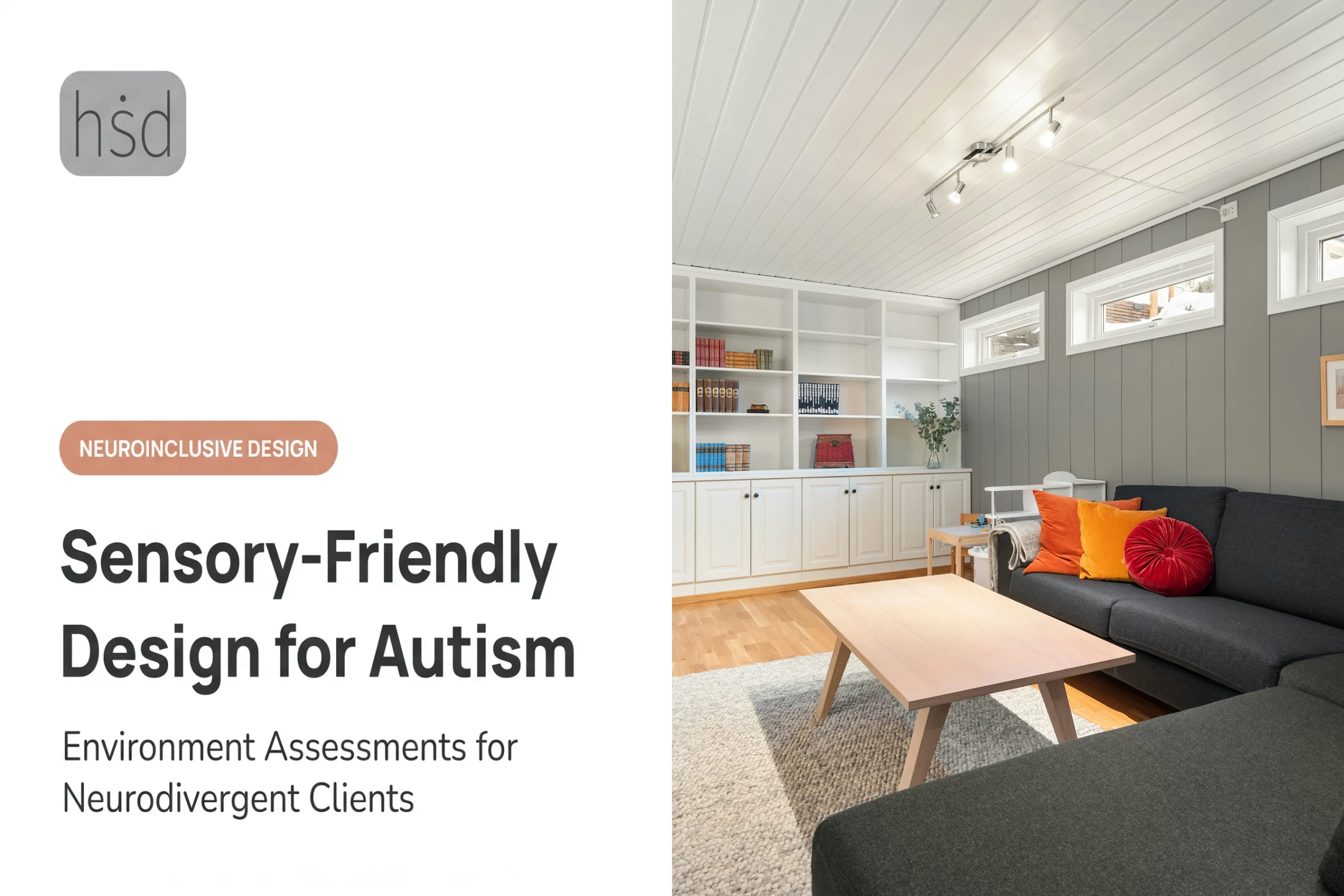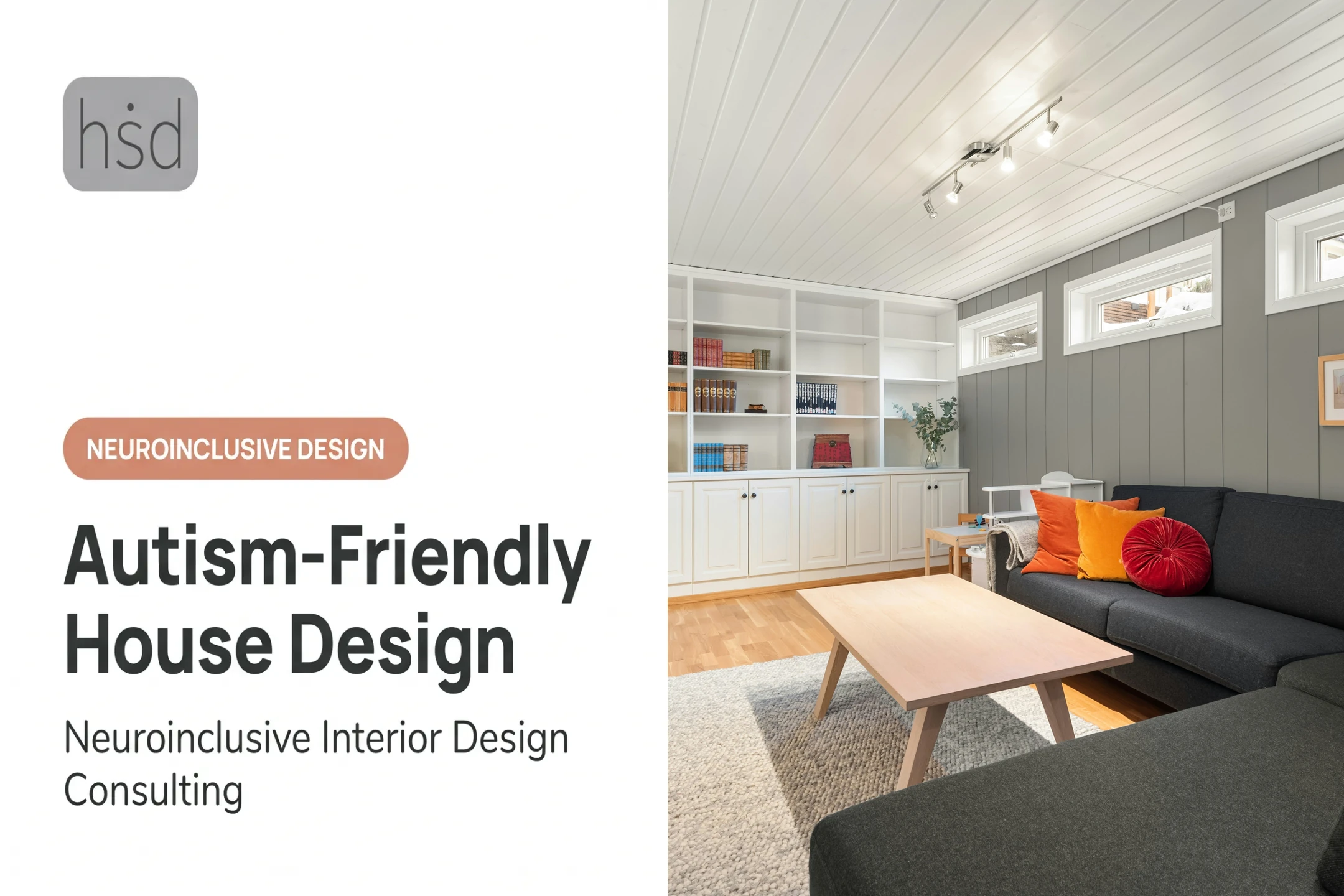

Sensory preferences vary enormously. One person might crave deep pressure, spinning, or bouncing. Another might need dim lighting, silence, and zero clutter to feel okay. There's no single formula that works for everyone.
This guide covers individualized design, lighting and color choices, sensory tools, safety, accessibility, and flexible setups for homes, schools, clinics, and community spaces. Nearly a third of children now receive an autism diagnosis, according to the CDC, which places prevalence at about 1 in 31 eight-year-old children based on 2022 surveillance data. That makes thoughtful sensory design relevant to more families, schools, and public spaces than ever.
Key Takeaways
- Build each room around the individual—skip universal equipment or color checklists.
- Adjustable lighting, sound control, and low-clutter zones matter more than expensive gadgets.
- Vet deep-pressure and movement tools with individualized risk assessment before use.
- A corner, closet, or bedroom nook can work as a full sensory retreat.
- Let ongoing observation of what the user wants drive every design choice.
Understanding Sensory Rooms and Their Purpose
A sensory room, sometimes called a Multi-Sensory Environment or Snoezelen room, is a space where light, sound, and touch can be adjusted to support comfort and regulation. It's not a medical treatment room, and it's not a guaranteed fix for challenging behavior.
A 2021 study on autistic children in multi-sensory environments found that when children had control over the sensory changes around them, attention increased and repetitive motor behaviors and vocalizations dropped.
Social behavior, anxiety, and overall arousal did not shift much, and the authors noted real limits in the study design. Sensory rooms do not cure anything on their own. What holds up is simpler: autonomy matters. A room the person can control tends to work better than one built mainly for how it looks.
The Sensory Systems Involved
Sensory processing isn't just about sight, sound, and touch. It also includes:
- Vestibular input (balance and movement)
- Proprioceptive input (body position and pressure)
- Olfactory input (smell)
- Interoceptive input (internal body signals like hunger, heart rate, or the need to use the bathroom)
Because these systems interact differently in every person, observing individual responses matters far more than following a generic equipment list.
Calming Room vs. Playroom
A calming sensory room can include stimulating elements, but it should always make it easy to reduce input or leave. A playroom pushes engagement. A calming room protects the option to disengage.
Design Principles for a Calming Sensory Room
Before buying equipment, look at the environment itself. Glare, unpredictable noise, strong odors, visual clutter, and confusing layouts all add sensory load before anyone even sits down.
The Ohio State Autism Planning and Design Guidelines recommend softer, consistent lighting and warn against fluorescent, flashing, or buzzing fixtures. The same guidance favors natural or neutral colors used sparingly, simple layouts, and reduced visual clutter overall.

Lighting That Puts the User in Control
- Install dimmers so brightness can shift throughout the day
- Layer warm, indirect lamps instead of relying on one overhead source
- Add blackout options for people who need darkness to settle
- Include an off switch for any colored or moving light effects
Don't assume colored lights or moving projections are automatically soothing. For some sensory seekers, they're engaging; for others, they're overwhelming.
Color, Zoning, and Materials
Muted, low-contrast colors tend to feel less visually demanding, but this isn't universal. Some people prefer brighter tones or specific patterns. Let the individual's preference guide the palette, not a generic "autism-friendly" color chart.
Plan the room in clear zones:
- A quiet retreat corner for decompression
- Comfortable seating for calm rest
- A movement area for active regulation
- A tactile exploration spot with optional textures
- Closed storage to keep visual clutter out of sight
Choose furnishings that are durable, low-odor, and easy to clean.
When selecting materials, look for products meeting UL GREENGUARD Gold low-emission standards, or those compliant with California's composite-wood regulations. Those rules limit VOCs in plywood, particleboard, and MDF.
These certifications are chemical-safety screens, not guarantees of sensory comfort, but they reduce one variable.
Sound and Acoustics
Pick a quiet location when you can. Soften hard surfaces to cut echo, and give the user control over sound rather than piping in continuous background audio.
Calming Sensory Tools and Activities
Rather than shopping a long list of gadgets, think in terms of input type. What does the person need more of, or less of, right now?
- Visual: slow-moving light effects, dim lamps, a fish tank, or blackout curtains when less input helps
- Auditory: preferred nature sounds, noise-canceling headphones, or complete quiet
- Tactile: textured fabric swatches, a quiet fidget, or a tactile board
- Movement and proprioceptive: rocking chairs, therapy balls, floor cushions, or a swing suited to the user's size and coordination
- Quiet retreat: a canopy, a beanbag nook, or a curtained corner with nothing demanding attention
DIY options like a cushion nook, sensory bottle, or fabric swatch board work well on a budget. Check for choking hazards, breakage, leakage, and toxic materials before including anything with small or detachable parts.
Deep Pressure: Proceed Carefully
Weighted blankets and compression items are popular, but the evidence is mixed. The Royal College of Occupational Therapists reports limited proof of sleep benefits. It calls for an individualized risk check covering breathing, temperature regulation, skin sensitivity, and the ability to remove the item independently.
Never force deep-pressure tools on someone, and never use a weighted blanket as restraint. If you're considering one, involve an occupational therapist and follow manufacturer weight guidance, which commonly caps weighted items around 10% of body weight.
Storage That Doesn't Add Clutter
- Keep only a small rotation of items out at once
- Use closed or labeled bins for anything not currently in use
- Swap items periodically to maintain interest without overcrowding
- Make favorites easy to reach without turning the room into a warehouse
Planning, Personalizing, and Adapting the Space
Building a sensory room takes planning over time. Follow this rough sequence:
- Identify triggers and preferences by observing what the person avoids or seeks out
- Choose the space, whether it's a full room or a corner
- Set priorities based on the most disruptive sensory issues first
- Pick flexible features that can be adjusted as needs change
- Introduce changes gradually, one or two at a time
- Observe outcomes and adjust based on what actually helps

Whenever possible, ask the autistic person directly. Offer real choices about colors, textures, seating, sound, and whether the door stays open or closed. Even young children can often indicate preferences when given options instead of open-ended questions.
Small-Space Solutions
A full room isn't required. A bedroom corner, closet, or office nook can work with:
- A comfortable chair or floor cushion
- A privacy screen or canopy
- Dimmable lighting
- Compact, closed storage
- A limited set of preferred tools, rotated as needed
When to Bring in Professional Support
Some projects go beyond DIY, especially when they involve construction, built-in features, or multiple user profiles across a school or clinic. This is where a Sensory Environment Assessment becomes useful. It evaluates lighting, ventilation, acoustics, accessibility, and code compliance. The output works much like a project brief for contractors or architects.
Highly Sensitive Design, a Brooklyn-based firm founded by architect Shell Li, AIA, provides sensory environment assessments and sensory interior design for homes, schools, and workplaces. A 30-Minute Neurodivergent Design Consult ($250) focuses on lighting and acoustic questions. A Comprehensive Interior Design Consultation goes deeper on needs, routines, and goals for clients within a two-hour drive of New York City.
For architects or project teams building sensory spaces at scale, neuroinclusive consulting can flag issues before construction starts rather than after.
Evaluate What You Build
After setup, track:
- Whether the person actually uses the space voluntarily
- Signs of comfort or distress during use
- Ease of navigation and maintenance
- Whether the room supports real routines, not just how it photographs
Safety and Accessibility Considerations
A calming room that isn't safe defeats its own purpose. Run through these basics:
- Secure furniture and wall-mounted items to prevent tip-overs (CPSC Anchor It! campaign)
- Remove sharp edges and trip hazards
- Manage cords, especially around window coverings and mobility routes
- Use shatter-resistant materials wherever possible
- Inspect equipment regularly for wear
- Keep exit pathways clear at all times
Swings, climbing equipment, crash pads, and vibration devices often need professional assessment and manufacturer-specified supervision. A therapy ball or sensory swing designed for one body type or weight range isn't automatically safe for another.
Watch for sensory and health risks that can trigger reactions from mild discomfort to genuine harm:
- Fragrances and essential oils
- Latex and dust
- Overheating from equipment or poor airflow
- Loud audio and flashing lights
Accessibility Isn't Optional
Under the 2010 ADA Standards, accessible spaces require at minimum 30 by 48 inches of clear floor space, with reach ranges between 15 and 48 inches for controls. Apply this practically:

- Keep pathways wide enough for mobility devices
- Place light switches, dimmers, and sound controls within reach
- Offer varied seating heights and support levels
- Include communication supports like visual schedules or picture cards where helpful
Build the room around the actual user, not around a generic accessibility checkbox.
Conclusion
The most effective calming sensory room is the one that matches the person’s real sensory needs and gives them control over their surroundings.
Start small:
- Observe sensory patterns for a week or two
- Make one low-risk change, such as adjusting lighting or clearing clutter
- Note what helps before adding more
Simple changes often reveal a lot. When the project involves construction, specialized equipment, or several users with different sensory profiles, outside guidance usually saves time and prevents costly missteps. An occupational therapist can clarify clinical sensory needs; a firm like Highly Sensitive Design can turn those needs into a practical, well-planned space.
Frequently Asked Questions
What are some calming sensory activities?
Options include quiet tactile play, listening to preferred music or nature sounds, slow visual activities, gentle rocking, stretching, breathing exercises, reading, or resting in a low-stimulation nook. The person should choose and control the activity themselves.
What is the most calming color for autism?
There's no single calming color that works for every autistic person. Muted, low-contrast shades help some individuals, but brightness sensitivity, lighting conditions, and personal preference should always guide the final choice.
What should be included in a calming sensory room for autism?
Look for adjustable lighting, sound control, comfortable seating, low-clutter storage, a small selection of preferred tactile or movement tools, a retreat area, and safety features suited to the specific user.
How do you create a sensory room in a small space?
A corner, closet, or bedroom zone can work well with a comfortable seat, a privacy screen or canopy, dimmable lighting, compact storage, and a limited rotation of favorite tools.
Are sensory rooms beneficial for autistic adults?
Yes. Adults often use sensory rooms for decompression, focus, emotional regulation, or recovery from overstimulation. Design should reflect adult routines, autonomy, and aesthetic preferences rather than child-focused defaults.
How can I make a sensory room safe?
Secure furnishings, keep pathways clear, manage cords, choose durable and non-toxic materials, and supervise any specialized equipment like swings or weighted items. When in doubt, consult a professional before introducing higher-risk tools.