
Many caregivers, teachers, and support staff struggle with this in the moment. They notice the signs of rising distress, but the environment itself often makes things worse — harsh lighting, unpredictable noise, too many demands at once. The numbers back this up. Among more than 25,000 autistic children studied through CDC surveillance data, 74% had documented atypical responses to sensory stimuli. For that many people, the physical environment isn't a minor detail. It's a primary driver of behavior.
Sensory rooms offer one practical answer. Designed well, they reduce overwhelming input and offer real choices before, during, and after a difficult moment. This guide covers what de-escalation actually aims to achieve, how to design a sensory room that works, how to use one during a crisis, and the training and safety practices that hold it all together.
Key Takeaways
- Watch for early signs of distress and adjust the environment before a crisis intensifies
- Personalize every sensory room to the individual's sensory profile. There's no universal calming setup
- Treat a sensory room as a support tool, never a punishment space or substitute for emergency care
- Pair thoughtful design with staff training, clear access rules, supervision, and honest post-use review
What Are De-Escalation and Sensory Rooms?
De-escalation is a set of communication and environmental strategies used in mental health, education, and caregiving settings to reduce rising distress while keeping everyone safe and respected. SAMHSA describes it as making a safe connection with a person in crisis, not simply managing their behavior.
The right response depends on where someone is in the moment. Escalation prevention happens before distress builds; active de-escalation happens once it has; recovery and follow-up come after. Treating every moment the same way, regardless of intensity, tends to backfire.
Early signs vary by person, but common indicators include:
- Withdrawal or sudden silence
- Pacing or increased movement
- Covering the ears or eyes
- Faster, louder, or stalled speech
- Difficulty processing language or following instructions
- Visible agitation or restlessness
These signs rarely appear out of nowhere. Sensory overload, unpredictable demands, pain, hunger, fatigue, anxiety, and communication barriers all contribute. A person who seems "difficult" is often responding to something in their environment or body that hasn't been addressed. Assuming otherwise gets in the way of actually helping.
What De-Escalation Should Aim to Achieve
Effective de-escalation focuses on a few concrete moves:
- Lower demands and reduce unnecessary stimulation
- Protect personal space
- Communicate calmly
- Offer real choices about what happens next
The aim is to help someone return to a state where they can think and decide for themselves.
Coercive responses do the opposite. Threats, shame, forced eye contact, and unnecessary confrontation tend to intensify distress rather than resolve it. A calm voice and two realistic options will get further than an ultimatum, almost every time.
What a Sensory Room Is (and Is Not)
A sensory room is a flexible space offering controlled sensory input: dimmable lighting, quiet corners, movement options, and tools chosen for the specific people who'll use it. Access should always be voluntary.
South Carolina's Department of Education draws a clear line: a student who voluntarily goes to a private space to calm down is not in seclusion. A room used to confine someone against their will is seclusion, regardless of what it's called.
Relabeling forced isolation as a "cool-down" or sensory space does not change that classification. Voluntary access is what separates support from restraint.

Before installing one, check the safeguarding, accessibility, and regulatory guidance that applies to your setting. Schools, healthcare facilities, and public buildings each carry different requirements.
How to Design a Sensory Room That Supports Regulation
Start with a needs assessment, not a shopping list. Identify who will use the room, plus their triggers, communication preferences, mobility needs, allergies, and safety risks.
Ask whether they want more sensory input or less, movement or stillness, privacy or connection with another person. Preferences differ widely, even within the same family.
Co-design with the people who will use the space. Neurodivergent people, families, educators, clinicians, and support staff should weigh in directly, rather than designing the room around assumptions about what "calming" looks like. What soothes one person can overwhelm another.
The environmental foundation matters as much as the furniture:
- Adjustable lighting (avoid flickering fluorescents)
- Acoustic control to dampen unpredictable noise
- Reduced visual clutter and predictable layouts
- Comfortable temperature and good ventilation
- Durable, low-odor, non-toxic finishes
Give people choice and control through distinct zones:
- Quiet seating
- Movement area
- Tactile activities
- Reading corner
- Space for conversation if wanted
Always keep a clear, visible exit path. A room that feels like a trap defeats its purpose. Check applicable ADA, fire safety, and local building codes before finalizing the layout; these vary by jurisdiction and are not optional.

Sensory Tools and Furnishings
Useful features include:
- Soft seating and movement tools
- Weighted or textured objects (only where professionally appropriate)
- Visual timers and dimmable lights
- Art materials
- Noise-canceling headphones
Every item should be optional, never mandatory, and checked for suitability. Weighted items should follow manufacturer guidance (typically no more than 10% of the user's body weight) and must never be used as restraint.
More equipment isn't automatically better. Strong scents, flashing lights, clutter, and noisy electronics can create the overload the room is meant to prevent. Offer a genuine low-input option alongside more active choices. Not everyone wants stimulation, even in a "sensory" room.
Keep the room usable over time:
- Inspect and clean equipment regularly
- Anchor heavy items
- Choose rounded edges over sharp corners
- Replace anything damaged before it becomes a hazard
Personalization and Sensory Profiles
Document each person's preferences, known triggers, communication style, early signs of escalating distress, and what actually helps them recover. Treat this as a living, person-centered support plan, not a one-time form.
Distinguish sensory-seeking from sensory-avoiding preferences. A tool that regulates one person can dysregulate another entirely.
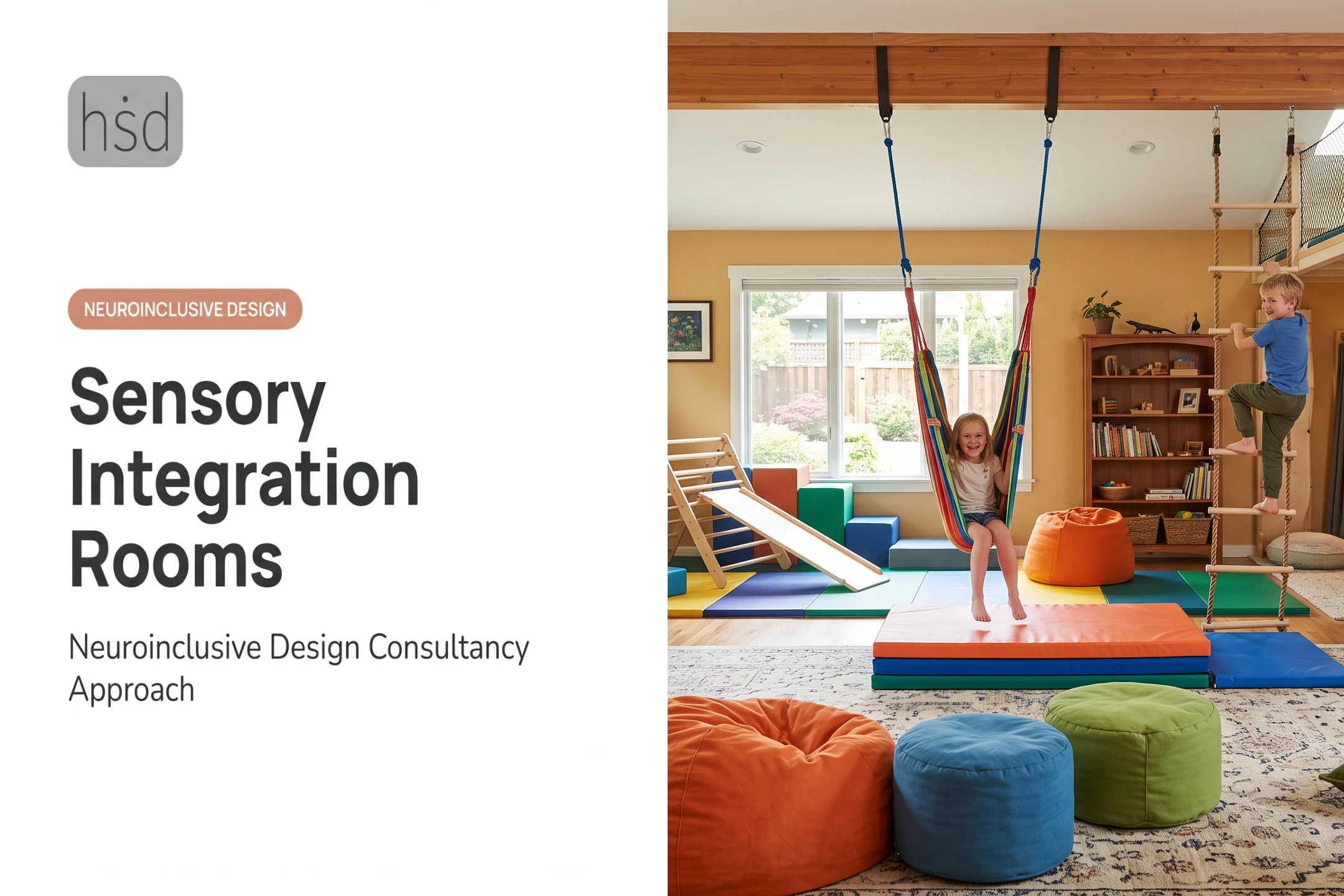
One child might head straight for a dim corner with noise-canceling headphones and a weighted lap pad. Another might need a swing, bright textures, and permission to move loudly. Both are using the room correctly when it was built to flex, not to prescribe one correct way to calm down.
Designing for Different Settings
Homes, schools, clinics, workplaces, and public venues each need a different approach to privacy, supervision, turnover, and access.
| Setting | Key considerations |
|---|---|
| Homes | Family routines, long-term personalization, no turnover |
| Schools & clinics | Multiple users, staff supervision, quick reset between sessions |
| Workplaces | Discretion, shared access policies, minimal stigma |
| Museums & airports | High turnover, drop-in access, capacity limits, wayfinding |
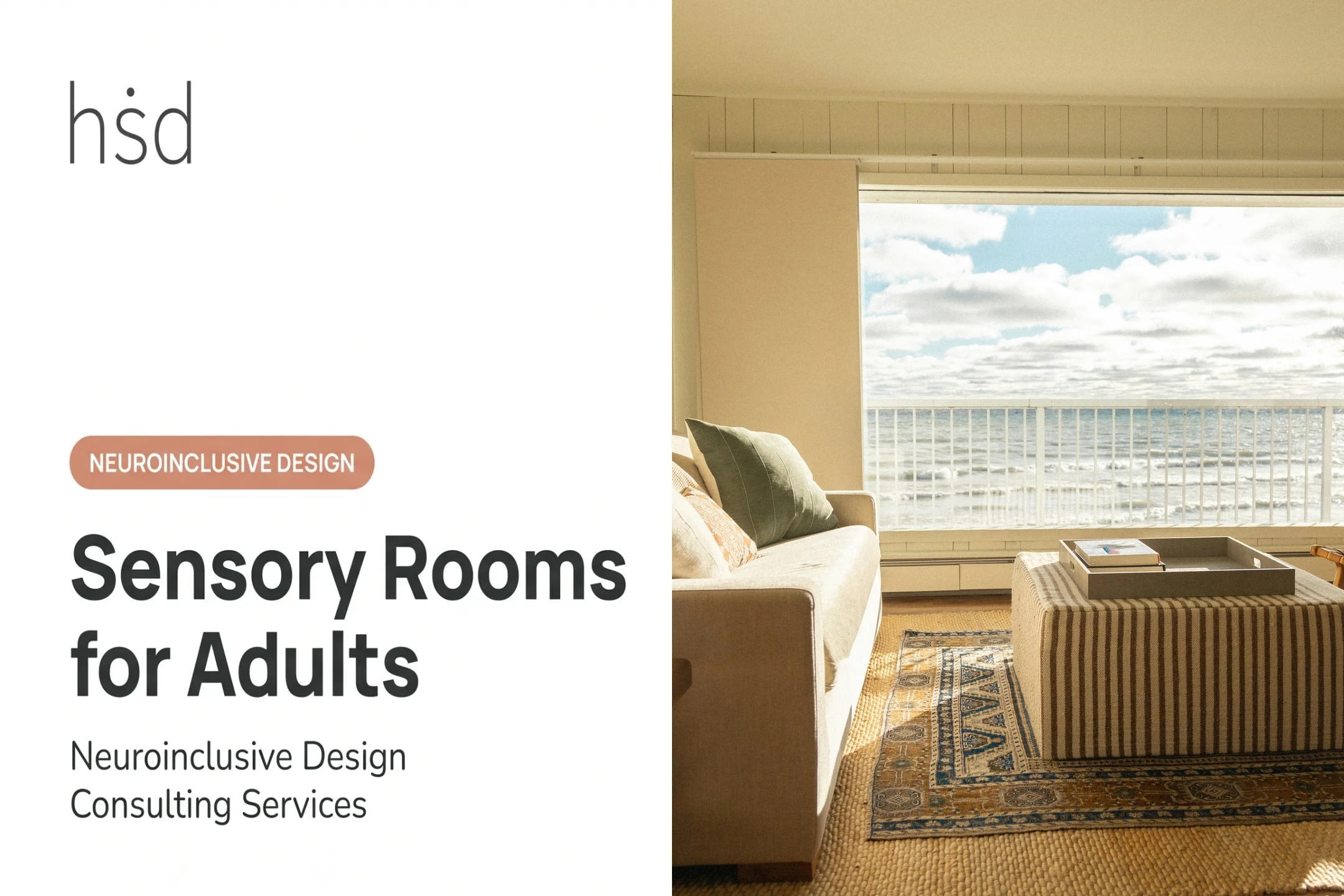
Public venues face a different challenge: designing for strangers rather than known individuals. Airports and museums adding sensory rooms typically rely on broad calming principles (soft lighting, low noise, clear signage) because they can't personalize for each visitor the way a home or clinic can.
Translating stated needs into layout, materials, and routines takes more than good intentions. At Highly Sensitive Design, neurodivergent design consultation helps organizations and families work through these decisions. It is not a substitute for clinical assessment or emergency planning.
How to Use a Sensory Room During and After Escalation
A practical sequence helps in the moment:
- Notice early signs: withdrawal, pacing, covering ears — before distress peaks.
- Reduce immediate demands. Drop non-essential requests and instructions.
- Approach calmly, using brief, concrete language.
- Offer two or three realistic choices, including the sensory room if it's available.
- Let the person decide whether to go, and how to use the space once there. That last step only works if autonomy continues inside the room. Ask permission before physical contact, respect personal space, and let the person choose silence, conversation, movement, or company based on their preference—not outside assumptions. While someone is using the room, staff should:
- Reduce environmental input
- Observe without hovering
- Maintain the supervision level the person's plan requires After regulation, resist the urge to demand an explanation or apology. Most people need time, water, a familiar routine, or communication support first—not an on-the-spot debrief.
Communication Techniques That Support Regulation
Use a calm tone, fewer words, and slower pacing. Validate what the person is experiencing without agreeing to unsafe behavior — "I can see this is really hard right now" works better than arguing about whether it should be. Avoid:
- Arguing or repeated questioning
- Sarcasm or moralizing
- Crowding someone's physical space
- Demanding eye contact These tactics add cognitive and sensory load when capacity is already low. Use choice-based language instead: "Would you like the quiet room, or would moving around help more?" Match the person's communication style—some need literal, concrete phrasing; others do better with fewer words.
Planning for Safety and Escalation
Distress and imminent risk of harm are not the same thing, and the response should differ accordingly. When safety can't be maintained through de-escalation alone, follow your organization's trained procedures, safeguarding policies, and emergency protocols. A sensory room is not a substitute for any of these. Never use a sensory room to delay urgent medical or mental health care, hide an emergency, or replace qualified crisis support. It is not a substitute for professional assessment, individualized crisis planning, or emergency services.

Recovery and Learning After an Incident
Once someone is regulated and able to participate, a non-judgmental debrief can help — focused on what happened, what the environment felt like, what helped, and what should change next time. This only works if the person is genuinely ready; pushing it too early just restarts the distress cycle. Use that feedback to update the person's support plan, the room's setup, or staff response. Treat the incident as information, not a behavior problem to punish. Track these signals over time:
- Whether the person used the room voluntarily
- User-reported comfort with the space
- Time away from learning or work activities
- Staff confidence in responding
- Whether the room stays accessible to the people who need it most
Safety, Staff Training, and Common Mistakes
Staff need real preparation, not just a laminated poster on the wall. Training should cover:
- Recognizing individual signs of escalation
- Using trauma-informed and neuroinclusive communication
- Understanding what the room is actually for
- Checking equipment regularly
- Protecting confidentiality
- Knowing when to escalate to clinical or emergency support
Even careful teams can undercut the room's purpose.
Common mistakes worth avoiding:
- Using the room as punishment or a "time-out" in disguise
- Forcing someone inside, or blocking their exit
- Removing choices instead of offering them
- Overfilling the space with stimulating equipment
- Relying on scents or textures without checking sensitivities first
- Assuming quiet automatically means regulated — it can mean shutdown instead
Document access, incidents, feedback, and maintenance through your organization's established policies. Consult qualified professionals on safeguarding and legal requirements. What works for one school or clinic may not meet another's needs.
Frequently Asked Questions
What should you never do during de-escalation?
Avoid arguing, threatening, crowding someone's space, forcing eye contact or touch, making sudden demands, or humiliating the person. Never use a sensory room as punishment. If there's a serious risk of harm, your organization's emergency procedures still take priority.
Can you give me an example of a sensory room?
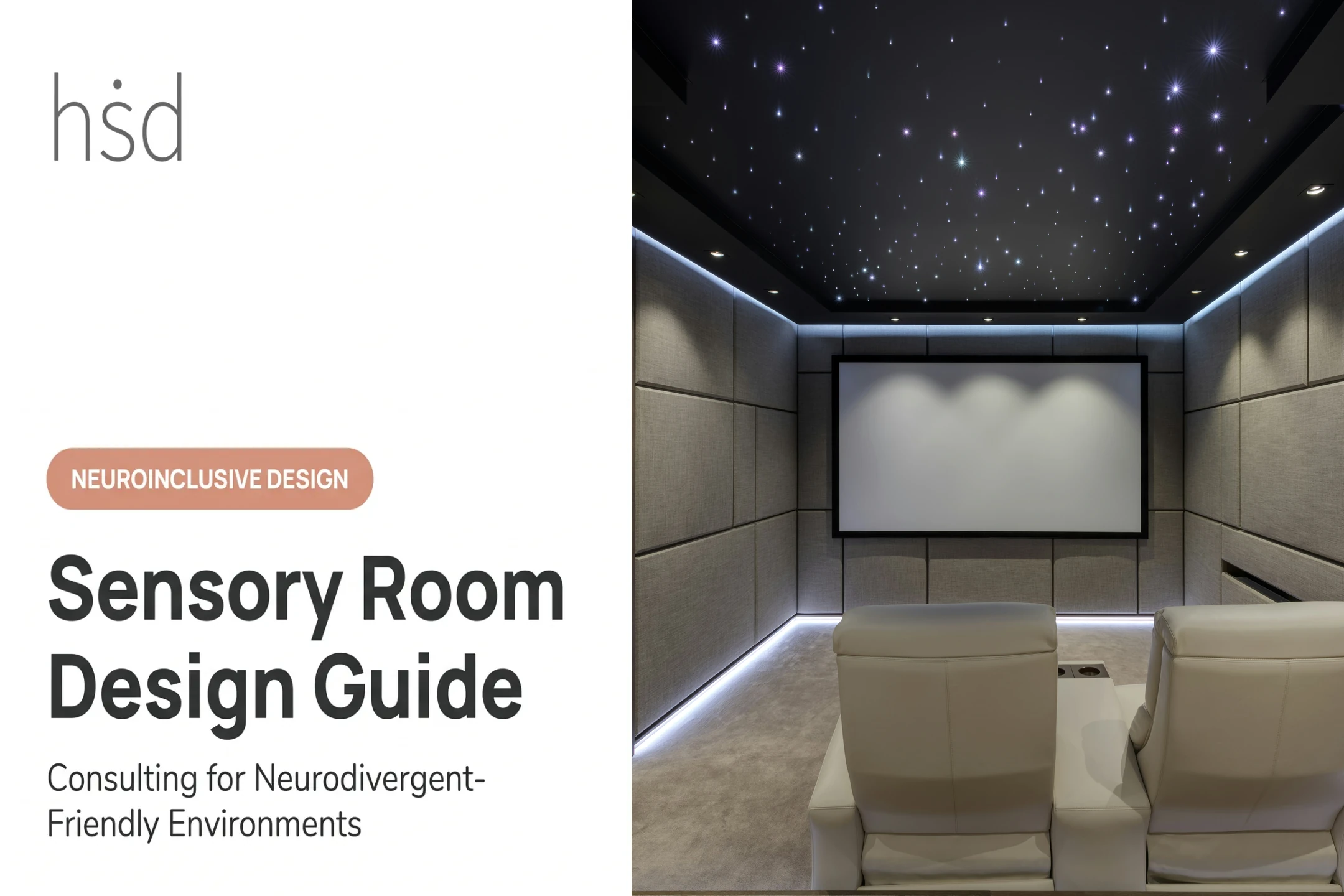
A flexible room might include a low-stimulation corner, adjustable lighting, comfortable seating, tactile or creative activities, a movement option, and a clear exit path. The exact features should reflect the specific users' sensory preferences, not a generic template.
What is de-escalation in mental health care?
It's a set of strategies for reducing distress, maintaining dignity, and communicating calmly while keeping everyone safe. In clinical settings, this requires trained staff and established organizational policies, not improvisation.
How do you set up a sensory room?
Start with a needs assessment and co-design with the people who'll use it, then address environmental controls, optional tools, and accessibility. Follow with a safety review, staff training, and an ongoing process for evaluating and adjusting the room.
Are sensory rooms suitable for everyone?
No. Sensory rooms aren't universally calming, and without personalization they can backfire. Offer choice and consent wherever possible, bring in professional input for complex needs, and keep alternative support options ready.