
The stakes are real. The right living environment supports sensory regulation, safety, daily routines, and genuine autonomy. The wrong fit can trigger overload, isolation, or caregiver burnout that could have been avoided with better planning.
This guide separates two things people often confuse: the physical housing arrangement and the level of support layered on top of it. We'll walk through the main US options, what to evaluate before committing, and where to get help translating sensory and functional needs into a workable plan.
Key Takeaways
- Housing fit depends on preferences, support needs, and finances, not diagnosis or age
- Options span family living, independent housing, supported living, group homes, adult foster care, and co-ops
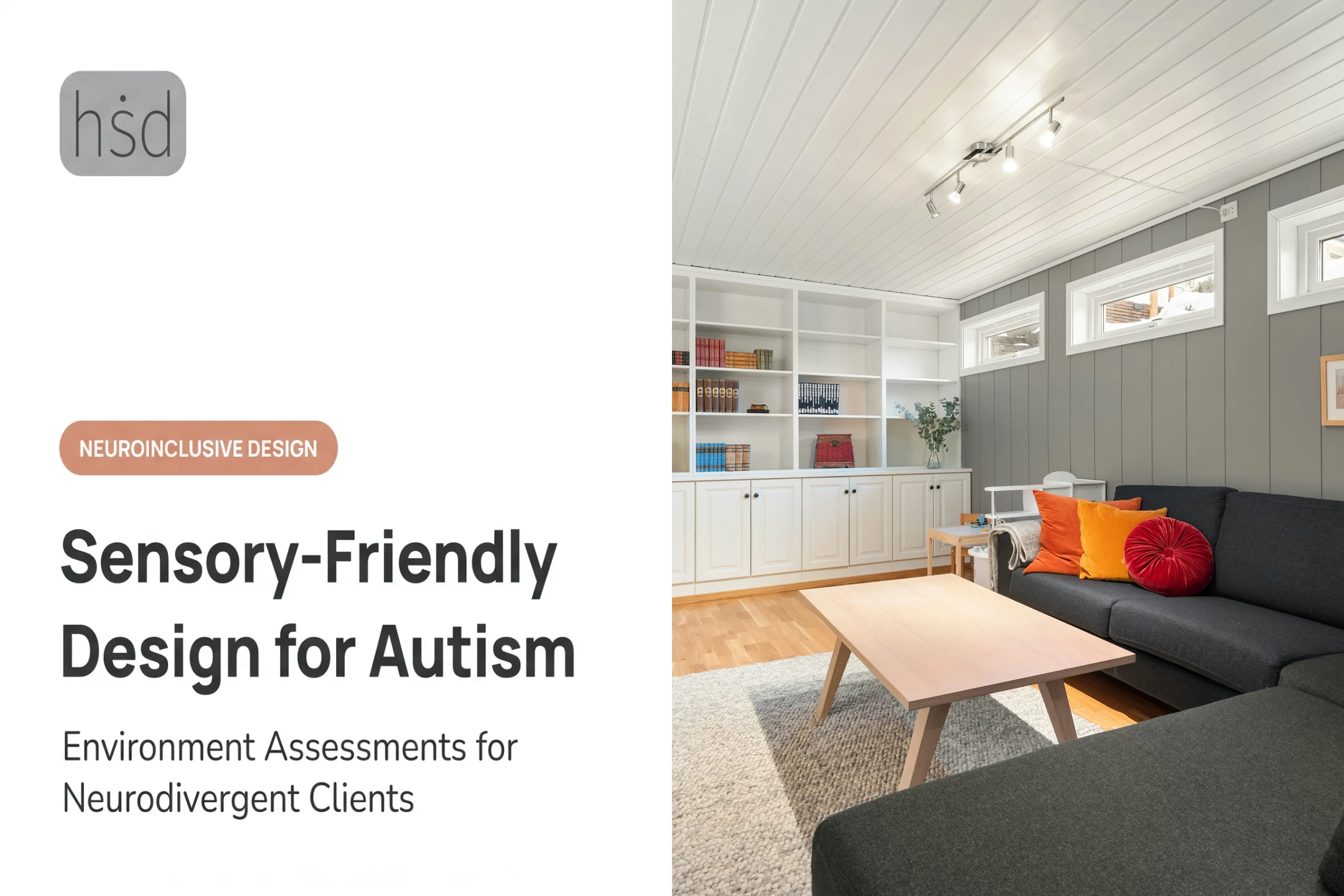
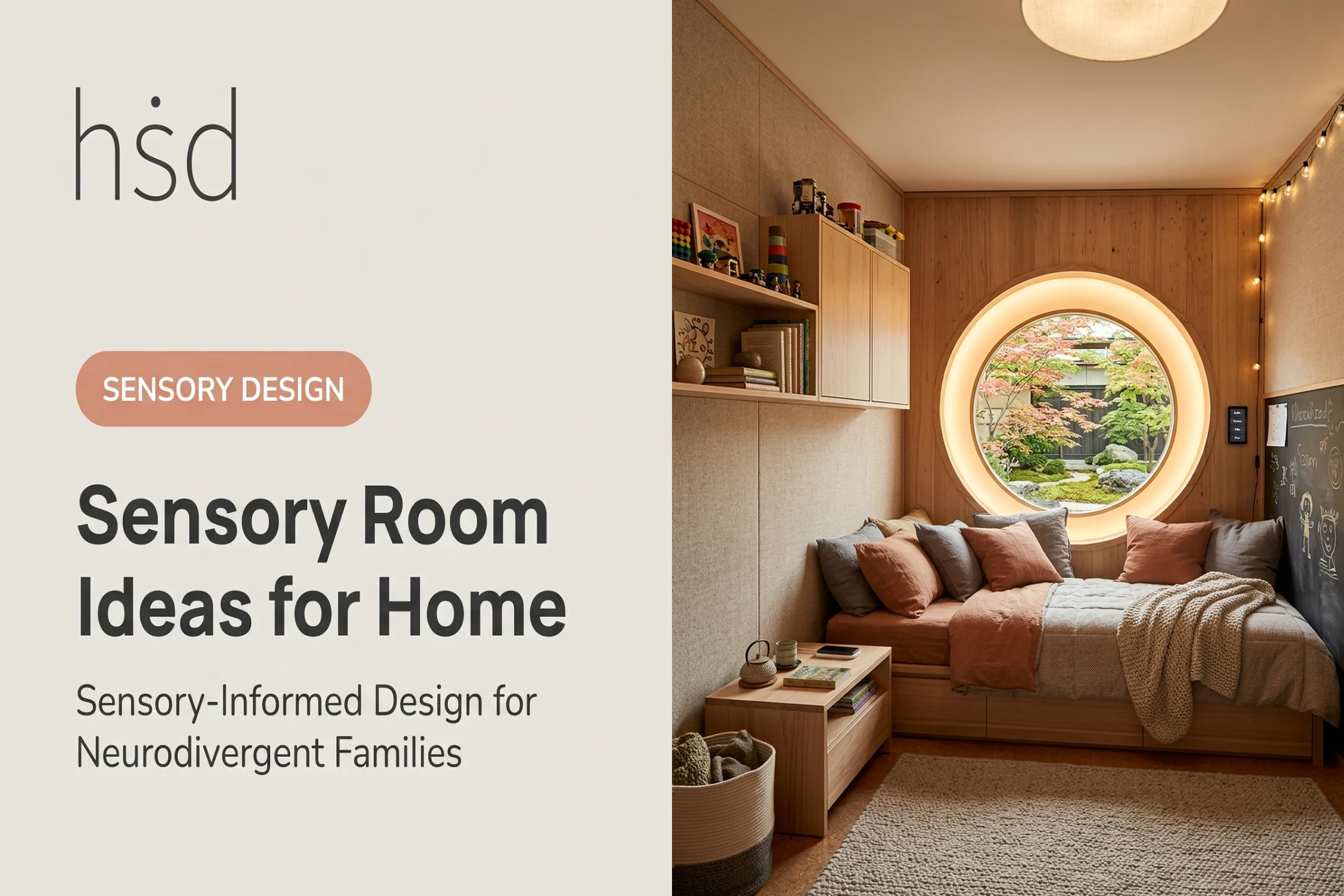
- Sensory-friendly homes need control over light, sound, clutter, texture, and a retreat space
- Independence means choice and control, not living without assistance
- Confirm funding, licensing, and eligibility with state agencies before any lease or placement
What Are Autistic Home and Housing Options—and Why Do They Matter?
Autistic housing options cover the full range of places an autistic child or adult might live, paired with whatever support helps them live safely and on their own terms.
A person can rent an apartment entirely independently while still receiving scheduled help with meals, transportation, or finances. The home and the support are two separate decisions.
Autism itself doesn't dictate a housing outcome. What matters is an honest look at:
- Communication style and needs
- Sensory sensitivities and preferences
- Cognitive and executive-functioning skills
- Mobility and medical requirements
- Behavioral support needs
- Social connection and support network
When housing decisions rest on assumptions instead of actual needs, problems follow. Sensory overload, unsafe access to hazards, disrupted routines, isolation, and caregiver strain are common results of a poor match.
Another frequent harm is placement in a setting more restrictive than someone actually needs, simply because that option was available first.
Eligibility for benefits, waivers, and housing programs varies significantly by state. Verify details in this article with a benefits counselor, state Medicaid office, or disability rights organization before you make decisions.
Types of Autistic Home and Housing Options
Think of these as points on a spectrum, not a ranking from "least independent" to "most independent." The goal is balance between autonomy, support, privacy, safety, affordability, and community connection. According to CHOP's Autism Roadmap, the options below represent the primary categories used across US disability services.
Living with Parents, Relatives, or a Familiar Caregiver
This remains the most common arrangement. In a national transition study, 87% of autistic young adults had lived with a parent at some point after high school, according to Drexel University's A.J. Autism Institute. That figure covers "ever lived" status among 21-to-25-year-olds from 2009 data, so treat it as historical context, not a current national ratio.
Staying with family can mean occupying a separate bedroom, a basement suite, or an accessory dwelling unit where local zoning allows it.
Strengths:
- Continuity and familiar routines
- Established relationships and trust
- Flexible, responsive support
Trade-offs:
- Limited privacy
- Ongoing caregiver dependence
- No automatic plan for when caregivers age or become unavailable
Autonomy can still be built into this setup through shared decision-making, a private space the person controls, ownership of specific household tasks, visual routines, and scheduled help instead of assumed help.
Independent Living in a Rented or Owned Home
Independent living means control over the home and daily decisions. It does not mean zero support. A person might live alone, with a partner, or with a chosen roommate while still relying on reminders, transportation help, meal prep assistance, or budgeting support.
Before pursuing this path, evaluate:
- Executive functioning — Can bills, appointments, and maintenance get managed with or without reminders?
- Sensory tolerance — Can the person handle noise from neighbors, traffic, or shared walls?
- Financial readiness — Is income (wages, SSI, family support) enough to cover rent and a safety buffer?
- Backup plan — Who gets called during a crisis or emergency?
Readiness here is about specific skills and contingency plans, not age or what peers are doing.
Supported or Supervised Living
Supported living provides assistance according to an individualized plan; a worker checks in at scheduled times. Supervised living means staff or a provider is available more consistently, sometimes on-site.
Both models let a person keep a private apartment or house while getting help with:
- Medication routines
- Cooking and meal planning
- Appointments and transportation
- Money management
- Community participation and crisis planning
Flexible assistance can grow or shrink as skills change. Downsides include staff turnover, scheduling limits, and inconsistent quality between agencies.
Before agreeing to a provider, ask directly about:
- Staff training
- How communication needs are accommodated
- Whether planning is person-centered
- What happens overnight or when a regular worker calls out sick
Group Homes and Shared Community Residences
A group home houses multiple unrelated residents, typically with rotating staff and agency oversight. Size, staffing ratios, house rules, and eligibility criteria differ substantially from one program to the next, so two "group homes" can feel completely different in practice.
Potential benefits:
- Built-in support
- Structured routines
- Social connection with housemates
Possible downsides:
- Shared noise
- Less control over daily schedule
- Roommate mismatches
- Waiting lists
Before choosing one, visit in person and ask about:
- Sensory conditions (noise levels, lighting, shared spaces)
- Privacy and personal space
- Food arrangements and choice
- Transportation access
- Safety and emergency procedures
- Staffing consistency
- How complaints or requested changes get handled
Adult Foster Care, Cooperative Living, and Staffed Residential Settings
Adult foster care places someone in another family's home with agreed-upon support. Cooperative living is organized by families or residents themselves, who jointly hire agencies or independent caregivers. More intensive staffed or institutional settings involve heavier supervision and should be weighed against less-restrictive alternatives and the person's actual clinical needs and preferences.
Whatever the label, verify:
- Licensing and staff qualifications
- Emergency response protocols
- Medical support access
- Privacy and decision-making rights
- Funding source and discharge policies
A setting's name doesn't guarantee quality. What matters is the lived experience, safeguards in place, and how much genuine choice the resident has.

How to Choose the Right Housing Option
The right option is determined by fit and self-determination. Diagnosis, age, and pressure to hit a neurotypical milestone on schedule should not drive the choice.
Individual Needs, Preferences, and Support Goals
Start with an honest inventory covering sensory triggers, communication style, sleep patterns, personal care, cooking ability, medication management, money handling, transportation, and desired privacy level.
Ask the autistic person directly:
- What do you want your home to feel and sound like?
- Who do you want involved in decisions about your living situation?
- Which tasks do you want to learn, delegate, or keep doing yourself?
Set specific, measurable goals rather than vague ones. "Prepare three chosen meals independently" beats "become more independent."
Sensory and Physical Environment
Sensory needs are individual. Some people need reduced stimulation; others benefit from movement, texture, or color. What holds true across cases is that the physical environment should be evaluated deliberately, not left to chance.
Key factors to check:
- Lighting control and glare
- Sound transmission and appliance noise
- Odors and ventilation
- Flooring, textures, and temperature
- Visual clutter and circulation paths
- Access to a quiet retreat space
Safety matters equally. Check:
- Secure storage
- Door and window safety
- Fall prevention
- Emergency communication plan
- Wandering or elopement planning where relevant
Once those factors are on the table, a sensory environment assessment turns the inventory into a concrete plan. Highly Sensitive Design's assessment maps an existing space for lighting, ventilation, acoustic, and accessibility barriers, then produces recommendations tailored to the person's sensory profile rather than generic accessibility standards.

Support Model and Quality of Care
Compare the amount, timing, and type of assistance available, including daytime, evening, overnight, on-call, and emergency coverage. Medicaid's Home and Community-Based Services framework requires support plans to reflect the person's preferences, goals, and informed consent. It is not a one-size-fits-all service package.
Before committing to a provider, ask:
- How are supports selected, documented, and reviewed?
- Can the person change providers or raise concerns without retaliation?
- What's the plan if a regular support worker is unavailable?
Talk to current residents or their families when possible, check licensing or inspection records, and request a trial visit or short stay before signing anything long-term.
Financial, Legal, and Long-Term Planning
Several US programs can help fund housing and support, though eligibility and availability vary by state:
| Program | What it covers |
|---|---|
| SSI | Monthly payments for people with limited income and resources |
| SSDI | Disability payments based on work history/credits |
| Medicaid HCBS waivers | Home and community-based services instead of institutional care |
| Housing Choice Vouchers (Section 8) | Rental assistance in the private market |
| ABLE accounts | Tax-advantaged savings that can cover qualified housing expenses |
Beyond rent or mortgage, budget for:
- Utilities and deposits
- Home modifications
- Transportation and food
- Support-worker hours
- Insurance and an emergency reserve
Build a written contingency plan for interruptions such as:
- A caregiver becoming unavailable
- Funding delays or cuts
- A provider closing
- A change in the person's support needs
For families or adults turning these needs into a real living space, Highly Sensitive Design offers personalized residential consultation for clients within a two-hour drive of New York City.
The process converts sensory, routine, functional, and aesthetic requirements into practical design recommendations—from full white-glove design-build to targeted adjustments in an existing home.
What to Check Before Finalizing a Housing Plan
Don't default to the most independent, most structured, most familiar, or simply the first available option. The best choice is the one that matches current needs and can flex as those needs change.
Before finalizing anything, confirm:
- Consent and voice: Document the autistic person's input and plan to revisit it over time
- Full cost picture: Factor in staffing gaps, transportation, emergency coverage, lease terms, and accessibility modifications
- Benefits interactions: Confirm how the arrangement affects SSI, Medicaid, or voucher eligibility
- Exit plan: Define what happens if the arrangement stops working
Requirements around licensing, zoning, housing law, and public benefits differ across states and even individual counties. A local disability rights organization, benefits counselor, or special needs attorney can confirm the specifics that apply to your situation before you sign a lease or accept a placement.

Conclusion
Autistic housing options run from family living to independent apartments, supported and supervised settings, group homes, adult foster care, cooperative arrangements, and staffed residential care. None of them is inherently better; the right one depends on each person's needs, preferences, and support profile.
A workable plan brings together:
- Self-determination and the right level of support
- A sensory-aware physical environment
- Safety, affordability, and a realistic backup plan when circumstances change
If the physical space itself is the piece you're stuck on, Highly Sensitive Design's residential consultation is one option worth exploring for eligible clients in the New York City area.
Frequently Asked Questions
Where do adults with severe autism live?
Adults with higher support needs may live with family, in supported or supervised apartments, group homes, adult foster care, or more intensive staffed settings. The right fit depends on preferences, safety needs, funding, and what's available locally.
Can a person with autism live a normal life?
Autistic people can build meaningful, self-directed lives on their own terms, though "normal" shouldn't mean forcing one lifestyle on everyone. Support needs and housing arrangements vary widely from person to person.
Is autism considered a disability?
Autism can qualify as a disability under US law when it substantially limits a major life activity, but a diagnosis alone doesn't automatically confer legal disability status. Eligibility depends on the specific program or law involved.
What housing options are available for autistic adults?
The spectrum runs from living with family or fully independently to supported apartments, co-ops, group homes, and staffed residential programs. What you can actually access depends heavily on state waiver funding, local supply, and the level of daily support required.
How do I choose the right housing option for an autistic person?
Evaluate the person's preferences, support and safety needs, sensory environment, privacy, costs, staffing quality, transportation, and funding sources. Build a long-term contingency plan alongside the initial decision, not after a crisis forces one.
What makes a home sensory-friendly for an autistic person?
A sensory-friendly home gives individualized control over light, sound, odors, textures, temperature, and visual clutter, along with predictable routines and layout. Access to a quiet, regulating retreat space matters just as much as the design details.