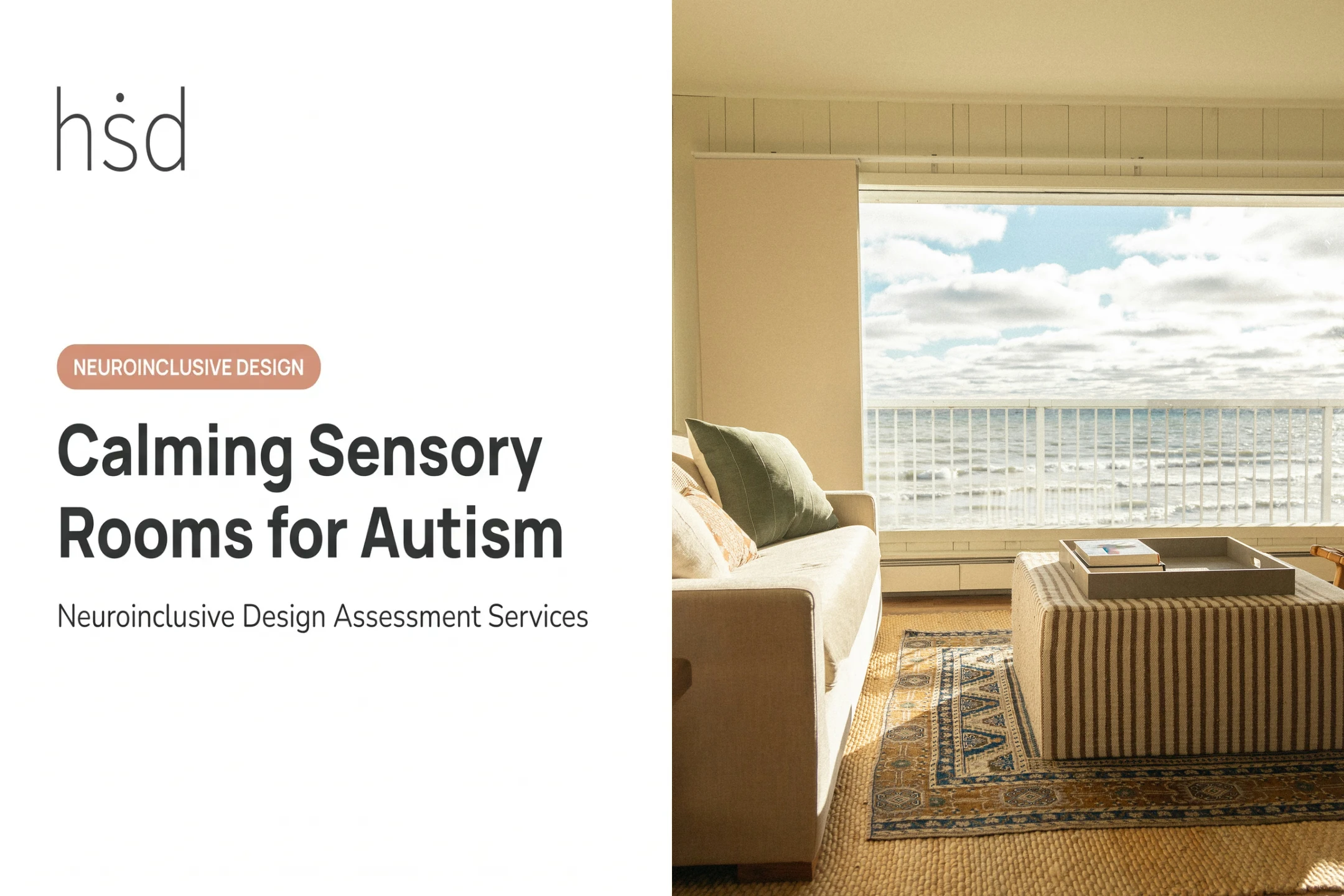

Many rooms create stress instead of relieving it. Common culprits include:
- Visual clutter and crowded surfaces
- Harsh, glaring, or flickering lighting
- Background noise from appliances, traffic, or echo
- Strong fragrances or off-gassing materials
- Uncomfortable textures against skin
- Poor air circulation or inconsistent temperature
- Spaces that don't match how they're actually used
This guide combines foundational design principles with sensory-aware choices, room-by-room ideas, and a practical process for testing what genuinely feels calming to you or your family.
Key Takeaways
- Start with proven design principles, then tune light, layout, and materials to your sensory preferences and routines.
- Address light, sound, texture, scent, and temperature before choosing decorative accents.
- Clear functions and easy storage cut down on daily decision fatigue.
- Minimalism, maximalism, Japandi, and other styles can all feel calm when they match who lives there.
Design Foundations for a Calming Interior
Start With Function, Not Furniture
Before choosing a single object, ask what actually happens in this room. Is it for sleep, focused work, social connection, play, or recovery from a hard day? A bedroom trying to double as a home office rarely calms anyone: the brain reads mixed signals about what the space is for.
Once you know the room's job, everything else follows: what needs to stay visible, what should be stored away, and how much stimulation supports that specific activity.
Reduce Visual Competition
Visual simplicity means fewer things competing for attention at once, not an empty, stark room. Try:
- Storing packaging out of sight (cereal boxes, cleaning bottles)
- Clearing counters down to a few functional items
- Limiting busy patterns on adjacent surfaces so a rug, curtain, and wallpaper aren't all fighting for attention
A 2025 study in the Journal of Environmental Psychology found that people who reported more clutter at home also reported lower well-being, life satisfaction, and positive mood. Perceived "home beauty" partly explained the link. The study is correlational, so it can't prove clutter causes stress — but it's a reasonable case for keeping surfaces workable.
Color, Chosen Carefully
Muted, nature-inspired, and warm neutral tones are common calming starting points. But color response isn't universal. It shifts with lighting, room orientation, and personal association. A "spa blue" that soothes one person might read as cold to another. Test paint swatches in the actual room, at different times of day, before committing.
Layer Your Lighting
One overhead fixture rarely serves every need. Layered lighting typically combines:
- Natural daylight where the layout allows it
- Task lighting for reading, cooking, or close work
- Dimmable or indirect lighting for winding down
- Glare control through diffusers, shades, or indirect fixtures for light-sensitive users
A 2021 review of home lighting and health distinguishes discomfort glare (visual irritation) from disability glare (impaired vision) and recommends diffusing covers and low-transmittance shades to manage both. Dimmable, tunable fixtures also let one room shift from energizing in the morning to restful by evening.

Materials You Actually Want to Touch
Natural materials such as wood, cotton, linen, wool, cork, and woven textiles add warmth without visual noise. But texture preference is personal. Some people find wool scratchy or loose weaves irritating. Test fabric samples by touch, not by photo, before buying.
Sensory-Aware Design: Make Calm Individual
Sensory-Aware Design: Individualize Your Calm
Run a Simple Sensory Audit
Walk through the room and note reactions across senses: sight, sound, touch, smell, temperature, movement, and transitions (like walking from a loud hallway into a quiet bedroom). A working note might look like:
- Sight: Overhead light glares off the desk around 4pm — needs a shade
- Sound: The refrigerator hum is noticeable at night — a sound machine might help
- Touch: The wool throw feels itchy — swap for brushed cotton
- Transitions: Front door noise startles at bedtime — a rug near the entry softens it
This audit becomes your working list for what to fix first.
Manage What You See
Visual regulation often comes down to predictability:
- Closed storage for clutter-prone items, open storage for daily essentials
- Limited high-contrast patterns near rest areas
- Clear sightlines so the room doesn't feel chaotic at a glance
- A designated low-stimulation corner or retreat spot
Control Sound Before Adding Sound
Reducing unwanted noise is different from adding preferred sound. Start by absorbing and blocking noise before you layer in white noise or music:
- Rugs, curtains, and upholstered furniture to cut reverberation
- Quieter appliances where hum shows up at night
- Zoning that keeps high-activity areas away from rest or focus spaces when the layout allows
Think About Smell and Materials
Fragrance-free or low-odor products should be the default. Many household chemicals build up more indoors than outside. Improve airflow, choose low-VOC paints and finishes, and skip heavily scented candles or plug-ins if anyone in the home reacts to them.
Give Bodies Room to Move
Furniture scale affects comfort as much as color does. Wide circulation paths, genuinely supportive seating, and access to a personal retreat space all matter, especially for people who need more control over proximity and movement.
If the full checklist feels heavy to run alone, a personalized neurodivergent design consultation from Highly Sensitive Design can turn a sensory profile, daily routines, and functional goals into concrete next steps: lighting fixes, storage systems, and material swaps. It supports design decisions only and does not replace medical or therapeutic care.

Calming Interior Design Ideas by Room
Bedroom
- Comfortable, breathable bedding in preferred textures
- Blackout curtains plus a dimmable lamp for controllable light
- Reduced visual stimulation: fewer patterns, calmer palette
- Organized bedside storage so nothing's searched for at 11pm
- A screen strategy that matches the person's actual routine, not an idealized one
Living Room
- Distinct zones instead of one all-purpose space: conversation seating, a quiet activity corner, and a recovery spot away from foot traffic
- Soft surfaces that absorb sound
- Storage that makes a daily reset quick so personality doesn't have to disappear
Home Office or Study
- Separate focus areas from relaxation spots where space allows
- Control glare on screens and reduce background noise
- Prioritize ergonomic seating and correct desk height
- Keep frequently used tools within reach without covering every surface
Children's Room or Sensory-Support Space
A generic "sensory room" look matters less than design built around the child:
- Clear zones for specific activities
- Predictable, labeled storage
- Adjustable lighting instead of one bright overhead
- Materials matched to the child's real preferences
- A retreat option for regulation
Highly Sensitive Design starts by observing what each child responds to, then shapes design language and storage around those preferences.
Entryway, Kitchen, and Shared Areas
- Designated drop zones for shoes, bags, and mail
- Visual cues showing where things belong
- Accessible storage at usable heights
- Uncluttered counters and clear walking paths
Quick Room-Planning Checklist
- What actually happens here?
- Which sensory inputs are difficult in this space?
- What needs to stay adjustable (light, sound, temperature)?
- What must stay visible, and what can be stored away?
Calming Styles and Current Interior Design Trends
Japandi, warm minimalism, Scandinavian, biophilic, organic modern, and eclectic interiors all get labeled "calming," but none of them are calming by default. What matters is whether their actual features (reduced visual competition, natural materials, soft, controllable light, tolerable texture) match the people using the room.
Current US design coverage points to a few directions worth borrowing from:
- Earthy, muted color palettes
- Softer, organic lighting forms replacing hard-edged fixtures
- Natural materials like bamboo, rattan, and recycled glass
- Layered, personality-driven rooms over single-mood spaces
- Nature-connected details, from textured walls to indoor greenery
The Better Homes & Gardens 2025 trend report describes a shift toward moody earth tones, natural textures, and softer lighting fixtures. That's useful style vocabulary, not proof that any of it reduces stress for a given household.
How to Vet a Trend Before You Commit
- Test the color or finish in your actual room and lighting, not a showroom photo
- Consider maintenance: upkeep-heavy trends add decision fatigue
- Reject anything that creates glare, clutter, noise, odor, or discomfort, no matter how popular it is
Trends work best as optional inspiration. Personal regulation, accessibility, and comfort should always outrank what's fashionable this year.
A Practical Plan for Creating a Calmer Space
Observe Before You Change Anything
Spend a week noticing when a room feels most and least comfortable. Note specific triggers: the 3pm glare on the couch, the hallway noise at bedtime. Pick one high-impact change rather than overhauling everything at once.
Prioritize in This Order
- Remove or relocate obvious stressors (harsh lighting, noisy appliances, cluttered surfaces)
- Improve function and storage so daily tasks feel easier
- Add control over lighting and sound (dimmers, rugs, curtains)
- Layer in color, texture, plants, and personal decor last

Test, Ask, Repeat
Give changes time to prove themselves, and ask everyone who uses the room what feels better or worse. A simple before-and-after check should cover:
- Visual calm
- Ease of movement
- Task support
- Sensory comfort
- Ease of maintenance
When to Bring in Support
Some situations—disability, safety, sleep disruption, or significant sensory needs—go beyond DIY trial and error.
Highly Sensitive Design offers a free Comprehensive Interior Design Consultation for clients within a two-hour drive of New York City, plus a $250, 30-minute Neurodivergent Design Consult for more immediate lighting, acoustic, or layout challenges. For complex needs, pair design changes with input from a qualified therapy or healthcare provider.
Frequently Asked Questions
What are some calming interior design ideas?
Calming design limits sensory load with soft or adjustable lighting, clear storage, comfortable materials, and defined room functions. Styles like Japandi or biophilic design are optional starting points, not requirements.
What is trending in interior design right now?
Current US trends include earthy color palettes, softer organic lighting, natural materials like rattan and cork, and layered, personality-driven rooms. Recheck design media each year—trends move quickly.
How do I make my room feel calm?
Name the room's real purpose, then cut major stressors like glare and noise. Fix storage and lighting control before you add colors or textures you find comforting.
What colors are best for a calming home?
Muted warm earthy tones, plus blues, greens, and neutrals, are common starting points. Personal associations, natural light, undertones, and sensitivity to contrast should ultimately shape your final palette.
How can interior design help with sensory overload?
Design reduces overwhelming input through glare control, sound-absorbing materials, visual organization, and fragrance reduction. Predictable layouts and a designated retreat area give the nervous system room to reset.
What's the difference between minimalist and calming interior design?
Minimalism is an aesthetic focused on reducing visual and material excess. Calming design is an outcome: it can look minimal, layered, colorful, or highly personal, based on what helps the people using the space.