
Sensory processing differences show up across a wide range of students, not just those with a diagnosis. Autism spectrum disorder now affects roughly 1 in 31 children in the US, according to the CDC's 2025 surveillance data, and sensory over- or under-responsiveness is a documented feature for many of them. Add ADHD, anxiety, and sensory sensitivities that never get formally labeled, and most classrooms have several students who benefit from sensory support on any given day.
This guide covers sensory room ideas, classroom-corner alternatives, how to match features to actual student needs, activity planning, safety considerations, and low-cost ways to get started.
Key Takeaways
- Design around observed student needs and specific goals, not a standard equipment checklist
- Balance calming, exploration, movement, and learning access without adding unnecessary stimulation
- A classroom corner or mobile kit can work when a dedicated room isn't possible
- Staff training, supervision, accessibility, and cleaning matter as much as the physical space
Sensory Room Ideas for Schools and Classrooms
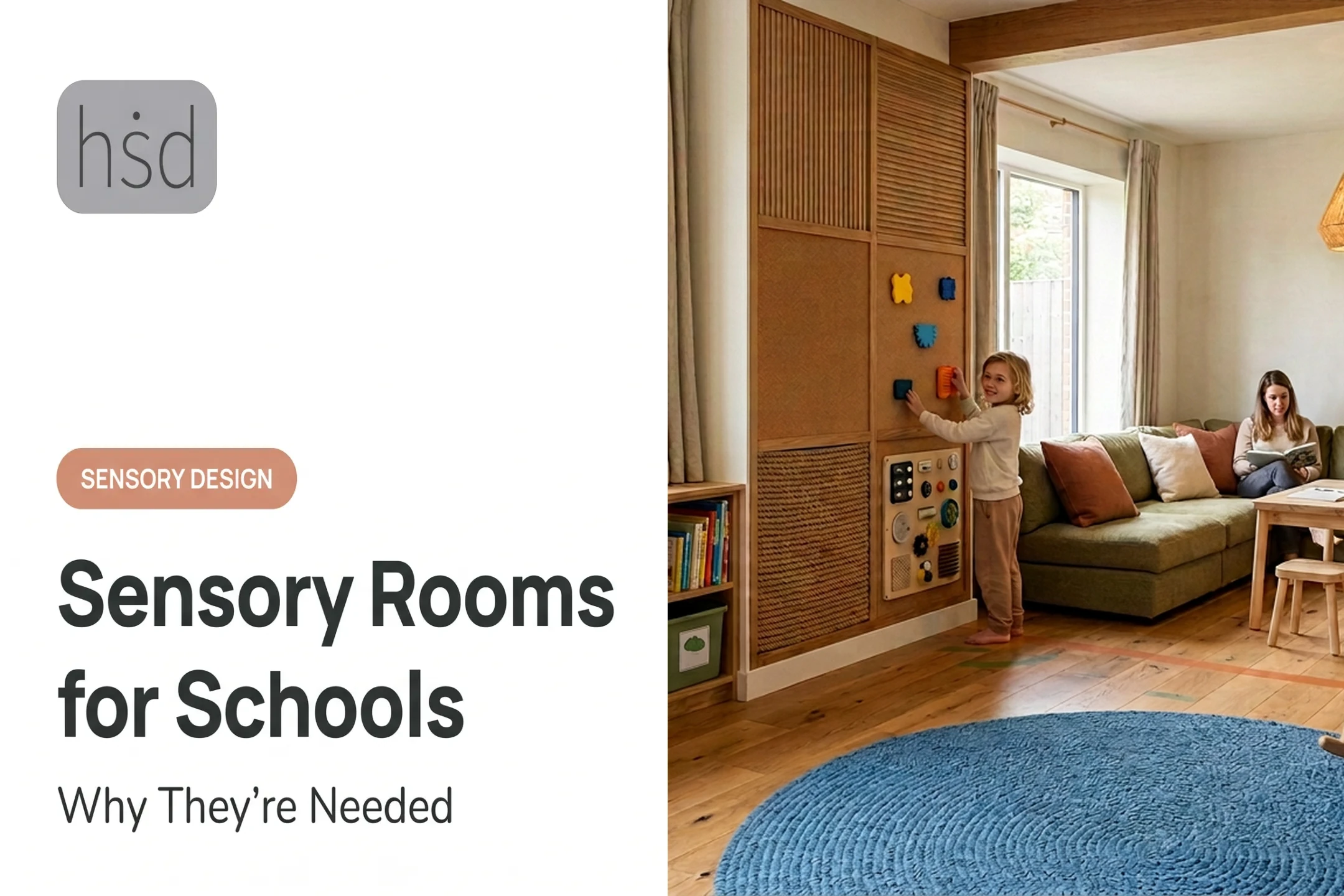
A school sensory room is a deliberately arranged, adjustable environment that helps students access sensory input, reduce overload, self-regulate, or prepare to participate in learning. It is not automatically a therapy room, a timeout space, or a reward for good behavior.
Sensory Room vs. Sensory Corner vs. Mobile Kit vs. Quiet Space
Not every school has room for a dedicated space, and that's fine. Consider which format fits your building:
- Dedicated sensory room — A separate room with multiple zones, ideal for schools serving several students with intensive sensory needs
- Sensory classroom corner — A defined area within an existing classroom, used proactively for self-regulation without leaving the room
- Mobile sensory station — A cart or bin of materials that travels between classrooms, useful for shared resources across grade levels
- Low-stimulation calm space — A minimal, quiet retreat focused on reducing input rather than providing varied sensory activities
Visual and Lighting Choices
Lighting is often the first thing to adjust. A 2020 study on autistic pupils found that teachers specifically flagged fluorescent strip lighting and heavily decorated walls as disruptive to focus.
For a sensory room or corner, consider:
- Dimmable or indirect lighting instead of overhead fluorescents
- Blackout curtains or shades for full light control
- Uncluttered walls with one carefully chosen visual focal point, not five
- Neutral base colors rather than bright, busy patterns
One caution: projections, string lights, and reflective surfaces can activate rather than calm some students. Test before committing.
Tactile, Proprioceptive, Sound, and Movement Options
Give students choices rather than a fixed set of "required" activities:
- Soft seating, cushions, and lap items for comfort and grounding
- Textured objects and fidgets, selected based on individual preference and safety
- Push/pull resistance tasks and floor-based work for proprioceptive (body-awareness) input
- Noise-reducing headphones and sound-absorbing panels for auditory sensitivity
- A clearly separated quiet nook away from any movement equipment
Safety note: Movement tools like swings or balance boards need proper installation, supervision, and often professional guidance before use.
How to Design a Sensory Room Around Student Needs
Equipment is the easy part. Getting the design right starts before you buy anything.
Start With a Needs Assessment, Not a Shopping List
Involve teachers, families, special education staff, and — where possible — students themselves. Bring in an occupational therapist or qualified professional to help identify:
- Known triggers and preferred regulation strategies
- Mobility needs and communication methods
- Sensory-seeking versus sensory-avoiding patterns
- Specific, individual goals for the space
Plan the Room in Zones
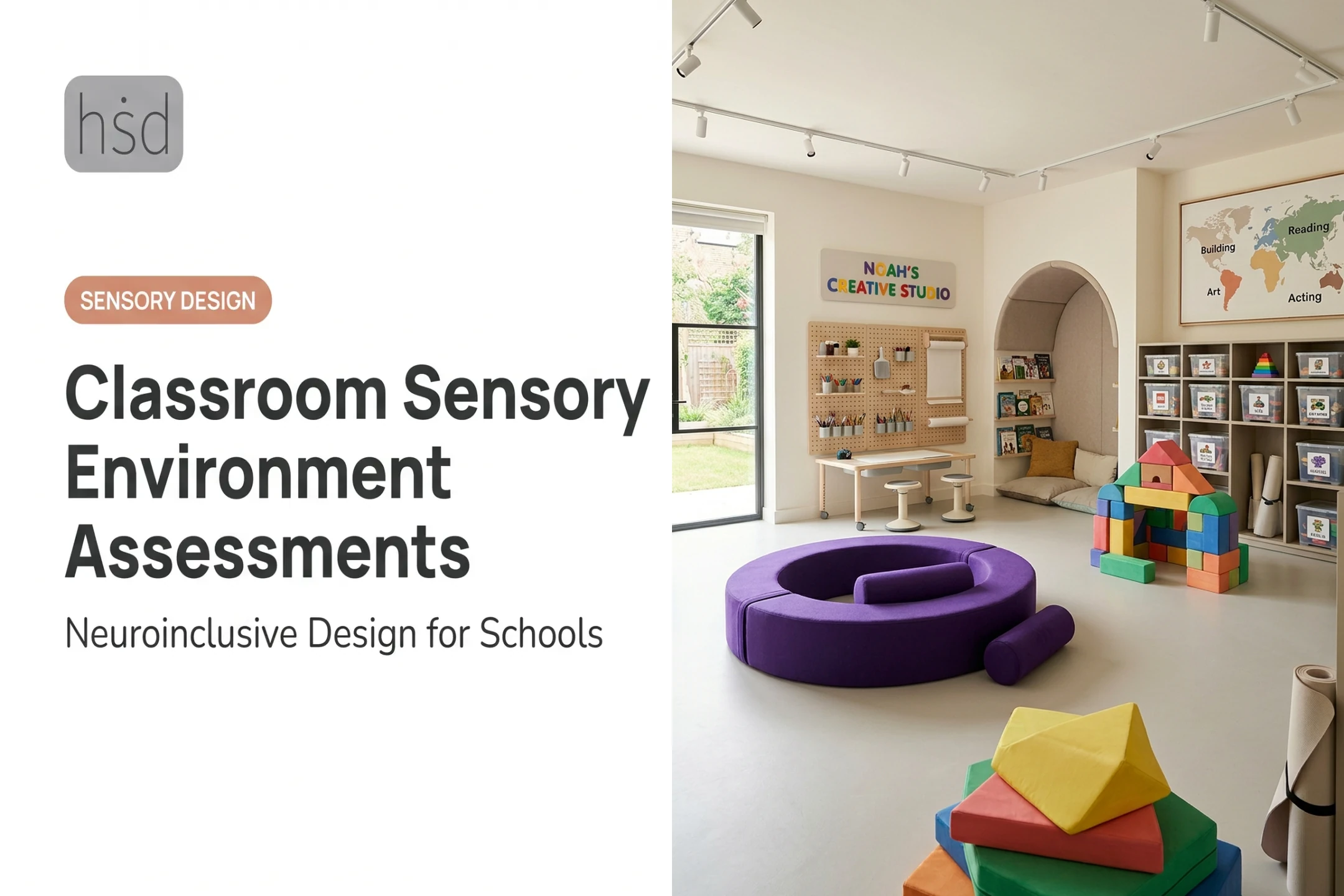
Instead of filling a room with equipment, divide it by function:
- Arrival/transition area — helps students shift into the space calmly
- Low-stimulation retreat — for reducing input, not adding it
- Tactile or fine-motor area — hands-on exploration
- Movement/heavy-work area — proprioceptive activities
- Teaching or reflection area — where space allows
Build In Accessibility From the Start
Every zone needs to be usable by students with mobility devices, not just walkable by staff. The 2010 ADA Standards require a minimum 30-by-48-inch clear floor space at accessible elements and a 60-inch turning diameter for wheelchair users. Beyond that, plan for:
- Predictable, labeled storage
- Adjustable lighting and good ventilation
- Durable, cleanable, non-toxic finishes
- Secure mounting for anything attached to walls or ceilings
Control Intensity — One Input at a Time
A common mistake is turning on every feature simultaneously: lights, sound, projection, and a swing, all at once. Offer one or two purposeful inputs, let students choose, and keep equipment switchable off when not needed.

For schools tackling a full renovation or serving students with complex needs, outside expertise often pays off. Highly Sensitive Design's neuroinclusive consultation starts with a Sensory Environment Assessment that maps lighting, ventilation, accessibility, and code compliance.
Project teams get recommendations shaped by architecture, education, and multidisciplinary input—not guesswork.
How to Use the Room and Plan Sensory Classroom Activities
A well-designed room without a clear operating plan tends to become chaotic or, worse, misused.
Set Clear Operating Rules
Decide upfront:
- Who can access the room and how (referral, open access, or both)
- Scheduling, duration, and maximum occupancy
- Supervision requirements and staff-to-student ratios
- What gets documented after each visit: student, date, time in and out
Match Activities to Regulation Goals
Not every activity suits every student. Some school occupational therapy (OT) programs organize activities into stages:
- Alerting: marching in place, jumping jacks, hopping
- Organizing: wall push-ups, elbow-to-knee touches, heel-to-toe walking
- Calming: deep breathing, square breathing, palms pressed together
Tactile exploration, fine-motor stations, and cause-and-effect activities round out the options. Choose based on the individual, not a generic list.
Bring Regulation Into the Classroom
Regulation shouldn't depend on reaching one room. Build it into daily classroom life through:
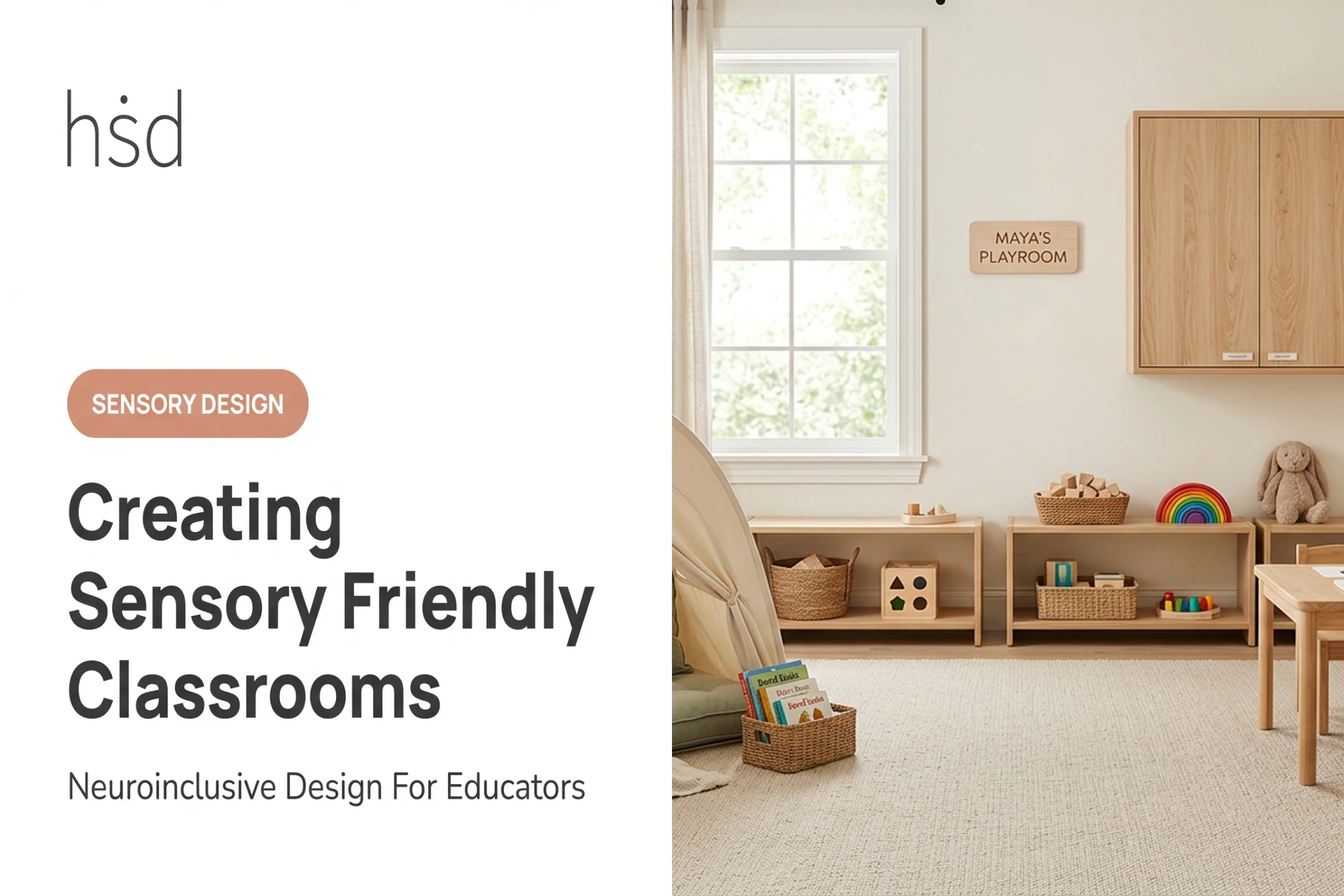
- A calm corner with soft seating and a visual boundary
- Portable sensory bins for quick access
- Visual choice boards and flexible seating
- Scheduled movement breaks and predictable transition cues
Keep the Room Supportive, Not Punitive
The space should support proactive regulation and a return to learning, not function as isolation after a crisis. Students should have a say in whether and how they use it, including the option to stop an activity at any point.

Train staff to:
- Recognize early signs of sensory overload
- Notice whether an input is calming or activating a given student
- Follow equipment instructions exactly
- Consult a qualified professional for individualized sensory plans
Budget-Friendly and Accessible Alternatives
A full sensory room isn't realistic for every school budget, and it doesn't need to be.
Start small:
- A defined corner with a visual boundary
- Soft or supportive seating
- A handful of tactile or fidget options
- Noise-reducing headphones
- Simple visual supports
- Organized, accessible storage
Prioritize adaptable, durable, cleanable items over expensive signature equipment. Stretch a limited budget by:
- Sourcing through school-approved suppliers
- Pursuing grant opportunities
- Inviting community or family donations
- Phasing purchases across the school year
Before introducing any DIY or low-cost material, check it for choking hazards, breakage risk, allergens, toxicity, and fire safety. Homemade movement equipment, especially anything suspended, should never be installed without approval and professional review.

Furniture still deserves care on a lean budget. Highly Sensitive Design is developing an ergonomic chair with NYC special education programs, built from natural, durable materials and scaled for growing children. Durable, purpose-built seating can support regulation without a full room build-out.
Conclusion
The most effective sensory room gives students safe choices, predictable support, and a clear path back to learning—shaped around each student's sensory profile, not around how much equipment fills the space.
A practical next step:
- Gather observations from students and staff
- Define what the room is meant to accomplish
- Audit your available space
- Build a phased plan from there
Schools that want more structured support can start with Highly Sensitive Design's 30-Minute Neurodivergent Design Consult for $250 (reduced from $299). It focuses on immediate challenges in learning environments. For larger projects, a full sensory-focused design consultation is also available.
Frequently Asked Questions
What is a sensory classroom?
A sensory classroom is a learning environment that intentionally adapts lighting, sound, movement, seating, materials, and routines to support regulation and participation for diverse learners. It doesn't require a separate room.
What are some examples of sensory classroom activities?
Examples include movement or heavy-work breaks, tactile exploration, breathing or visual-focus exercises, fine-motor tasks, and quiet reading with student-selected tools. Activities should always be matched to the individual student.
What should be included in a school sensory room?
Contents depend on student goals. Common elements include adjustable lighting, quiet seating, tactile materials, headphones, visual supports, movement options, and safe open floor space.
Is a sensory room the same as a calm-down or timeout room?
No. A sensory room is a voluntary, choice-based space linked to student regulation and goals. A punitive or isolating timeout room is a different function entirely and shouldn't be confused with sensory support.
How can schools make a sensory room safe?
Start with active supervision, secure equipment installation, and clear access rules. Add mobility-device access, regular equipment checks, routine cleaning, and staff trained to spot signs of overload.